
What Is Liquidation Stock? Complete Guide for Resellers
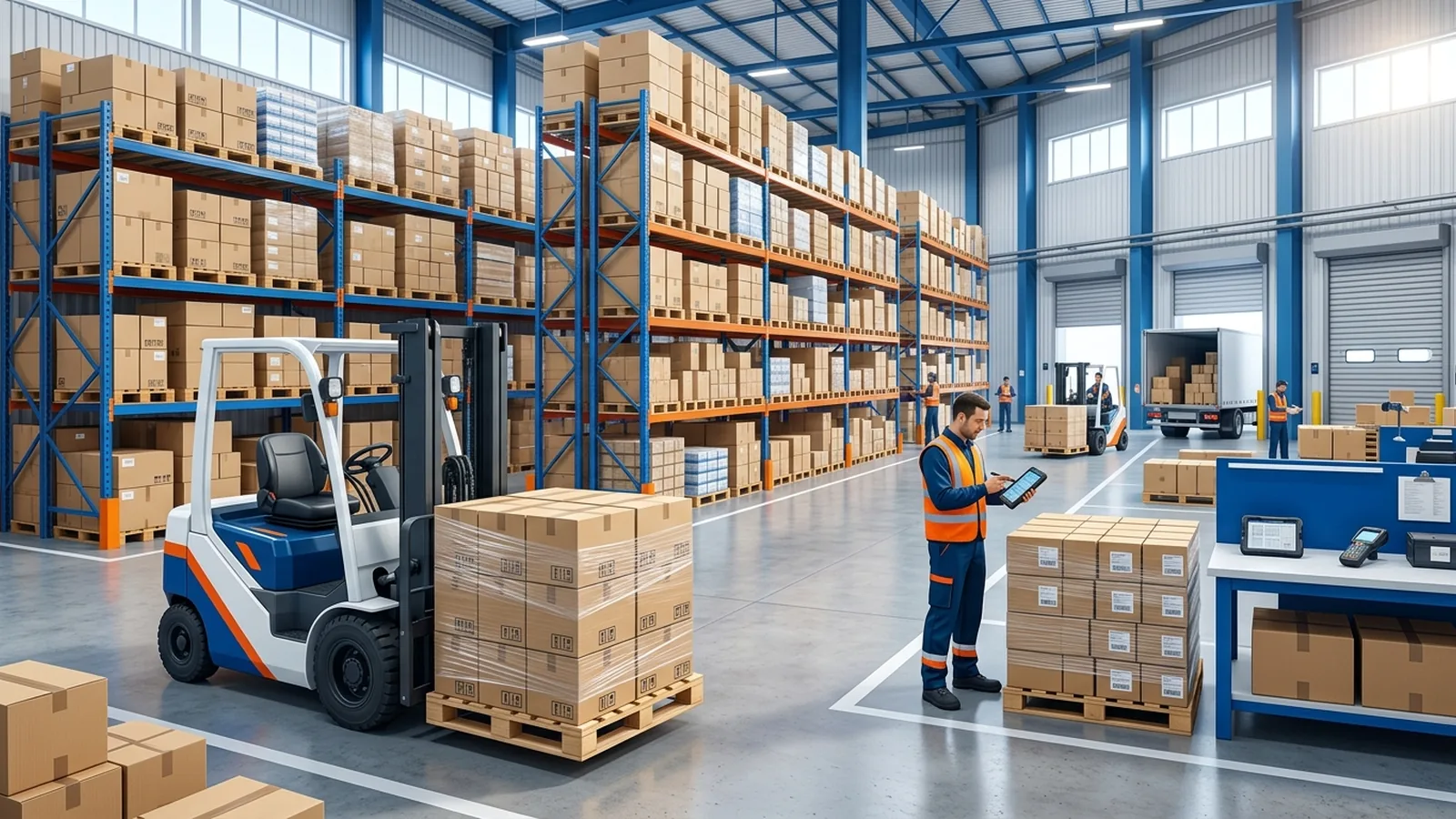
In India's competitive retail landscape, profit margins matter more than ever. Smart retailers, resellers, and small business owners are discovering a proven strategy to source quality merchandise at a fraction of wholesale costs: liquidation stock. This inventory acquisition method has transformed how thousands of businesses procure goods, offering an opportunity to buy authentic branded products at discounts of 40-80% below traditional wholesale prices.
But what exactly is liquidation stock, and how can you leverage it to grow your retail or reselling business? Whether you're running a neighborhood store, an e-commerce operation, or planning to enter the resale market, understanding liquidation inventory opens doors to significant profit potential. This comprehensive guide explains everything you need to know about liquidation stock—from its origins and types to practical strategies for sourcing and evaluating deals in the Indian market.
The liquidation industry has matured significantly in India over the past decade, with organized B2B marketplaces making it easier than ever for businesses of all sizes to access this lucrative inventory channel. Let's explore how liquidation stock works and why it might be the competitive advantage your business needs.
Understanding Liquidation Stock
Liquidation stock refers to merchandise that businesses sell quickly and often at significant discounts to convert inventory into cash. This inventory typically comes from retailers, manufacturers, importers, or distributors who need to clear space, raise capital, or dispose of excess goods that didn't sell through normal channels. Unlike regular wholesale inventory ordered fresh from manufacturers, liquidation stock represents secondary-market goods moving through the supply chain at accelerated speeds and reduced prices.
The fundamental economics are straightforward: when a business holds too much inventory, they face storage costs, tied-up capital, and potential obsolescence. Rather than letting goods sit idle or dispose of them at a total loss, these businesses sell to liquidators or directly to resellers at deep discounts. This creates a win-win situation—the original owner recovers some value and frees up resources, while buyers like you acquire sellable merchandise at prices that enable healthy profit margins.
In the Indian context, liquidation stock has become increasingly accessible through organized wholesale inventory platforms that connect buyers directly with verified sellers. The market includes everything from large pallet lots containing hundreds of mixed items to smaller, curated assortments suitable for boutique retailers and online sellers. The key characteristic that defines all liquidation stock is the significant price discount compared to traditional wholesale—typically reflecting the seller's urgency to move inventory rather than any fundamental defect in the products themselves.
How Liquidation Differs from Traditional Wholesale
Understanding the distinction between liquidation and conventional wholesale is crucial for making informed purchasing decisions. Traditional wholesale involves buying current-season inventory directly from manufacturers or authorized distributors at standard wholesale pricing, usually with predictable terms, consistent product selection, and established reorder capabilities. You know exactly what you're getting, and you can typically replenish inventory as needed.
Liquidation inventory, by contrast, is opportunistic and constantly changing. You're buying what's available right now—often one-time deals that won't be repeated. The assortments may be mixed, conditions can vary from new-in-box to customer returns, and manifests might list general categories rather than specific SKUs. However, this unpredictability comes with substantially lower prices that compensate for the additional effort required in sorting, inspecting, and merchandising the goods.
Types of Liquidation Inventory
Liquidation stock isn't a monolithic category—it encompasses several distinct types of inventory, each with different characteristics, conditions, and profit potential. Understanding these categories helps you make smarter purchasing decisions and set appropriate expectations for the merchandise you'll receive.
Overstock and Surplus Inventory
Overstock represents brand-new merchandise that retailers or manufacturers ordered in excess of what they could sell. These items are typically in perfect, sellable condition with original packaging intact. Overstock might result from overly optimistic sales forecasts, cancelled orders, or seasonal items that didn't move as expected. This category generally commands the highest prices within the liquidation market because the quality and condition match new wholesale goods—just at better prices.
For resellers, overstock inventory offers the most straightforward path to profit because you can sell items as "new" without qualification. The main challenge is that overstock availability tends to be inconsistent—you purchase what's available when retailers need to clear space, rather than ordering specific products on demand.
Customer Returns and Refurbished Items
Customer returns form a significant portion of liquidation inventory, especially from e-commerce operations and big-box retailers. These are products that customers purchased and subsequently returned, often unopened or lightly used. Return reasons vary widely: wrong size or color, changed mind, gift duplicates, minor cosmetic issues, or occasionally genuine defects.
Returns inventory requires more careful evaluation because condition varies significantly even within a single lot. Some items may be perfect and fully resellable, while others need testing, cleaning, repackaging, or parts replacement. Smart resellers factor in a "salvage rate"—the percentage of items they expect to resell at full value after inspection and any necessary refurbishment. Despite requiring more processing effort, customer returns offer excellent margins because purchase prices reflect the uncertainty around condition.
Shelf Pulls and Open-Box Items
Shelf pulls are items removed from retail store shelves, typically because packaging became damaged, products were used as floor displays, or retailers are refreshing their assortment. These products are usually functional and complete but may have cosmetic package damage or missing minor accessories. Open-box items fall into a similar category—products that were opened for customer inspection or display purposes but never actually used.
This category represents a middle ground between pristine overstock and variable-condition returns. Pricing reflects the cosmetic imperfections, but the products themselves are generally in good working order, making them attractive for resellers who can repackage or sell items as "open-box" or "like-new" at appropriate discounts.
Closeouts and Discontinued Products
Closeout merchandise consists of products being permanently discontinued—either because the manufacturer is ending the product line, updating to a new model, or the retailer is clearing out specific brands or categories. These items are typically new and in excellent condition; they're simply no longer part of the current lineup.
Closeouts can be highly profitable because they often involve name-brand products at clearance prices. The consideration is that you cannot reorder—once your lot sells out, that specific item won't be available again. This makes closeouts ideal for resellers comfortable with constantly changing inventory rather than those building businesses around consistent, repeatable product lines.
Salvage and As-Is Lots
At the deepest discount level, salvage lots contain merchandise sold strictly "as-is" with significant damage, missing components, or unknown functionality. These lots might include returned electronics that may or may not work, heavily damaged packaging, incomplete sets, or mixed conditions where extensive sorting is required.
Salvage inventory suits experienced resellers with technical skills, refurbishment capabilities, or the ability to part-out products for components and spares. While the risks are highest in this category, so are the potential returns for those who know how to extract value from damaged or incomplete goods.
Where Liquidation Stock Comes From
Understanding the sources of liquidation inventory helps you evaluate deals more effectively and build relationships with the right suppliers. Liquidation stock flows into the market through several primary channels:
Retail Store Closures and Bankruptcies
When retail businesses close their doors—whether individual stores or entire chains—their inventory must be liquidated quickly. Bankruptcy proceedings often involve court-appointed liquidators who sell all remaining stock to recover funds for creditors. These situations create large volumes of liquidation inventory, typically sold in bulk lots that may include fixtures and equipment alongside the merchandise itself.
E-commerce and Marketplace Returns
Online retailers and marketplace platforms generate substantial volumes of customer returns—often 15-30% of items sold, far higher than brick-and-mortar return rates. E-commerce companies lack the infrastructure to individually process, restock, and resell millions of returned items, so they aggregate returns into pallets and lots sold to liquidators and resellers. This channel has exploded in India with the growth of platforms like Amazon, Flipkart, and numerous specialized online retailers.
Manufacturer Overruns and Excess Production
Manufacturers sometimes produce more units than ordered by retailers, resulting in excess inventory that needs to be cleared. Additionally, when major retail orders get cancelled or reduced mid-production, manufacturers are left with finished goods they need to monetize. Rather than holding inventory or destroying it, they sell through liquidation channels at discounted prices.
Seasonal Inventory Clearance
Retailers operating on seasonal cycles—fashion, toys, holiday decor, sporting goods—face regular pressure to clear seasonal inventory before the next season arrives. A summer apparel retailer cannot afford to hold swimwear inventory through winter, hoping to sell it at full price the following year. Instead, they liquidate end-of-season goods to free capital and shelf space for incoming seasonal merchandise.
Warehouse and Distribution Center Clearances
Large wholesalers, importers, and distribution centers periodically need to clear slow-moving inventory, consolidate warehouses, or dispose of goods that have been sitting too long. These operations generate liquidation lots that often include diverse product mixes from various categories, sold to clear space and improve inventory turnover metrics.
In India's growing organized retail sector, all these sources contribute to a steady supply of liquidation inventory flowing through B2B platforms and liquidation specialists. The marketplace ecosystem has matured to efficiently connect these sources with thousands of resellers nationwide.
Benefits of Buying Liquidation Stock
The surge in popularity of liquidation inventory among Indian retailers and resellers isn't accidental—this procurement strategy offers multiple compelling advantages that directly impact profitability and business flexibility.
Significantly Lower Acquisition Costs
The most obvious benefit is cost savings. Purchasing liquidation stock typically costs 40-80% less than buying the same items through traditional wholesale channels. This dramatic discount creates multiple strategic options: you can sell at competitive market prices while enjoying superior margins, undercut competitors' pricing to gain market share, or balance both approaches depending on your business goals.
Consider a practical example: branded electronics accessories that wholesale for ₹500 per unit might be available as liquidation stock at ₹150-250 per unit. Even accounting for mixed conditions and some unsellable items, your average cost per resellable unit remains dramatically lower than traditional wholesale, enabling profit margins of 100-300% rather than the typical 30-50% retail markup.
Access to Premium Brands Without Huge Minimums
Many established brands require substantial minimum orders, authorized dealer agreements, or proven retail credentials before they'll sell to you at wholesale prices. Liquidation inventory bypasses these barriers, giving small retailers and new resellers access to recognized brand-name products without meeting stringent requirements or committing to massive minimum orders.
This democratization of access levels the playing field, allowing small businesses to compete by offering the same brands as larger competitors, just sourced through liquidation channels rather than direct wholesale relationships.
Inventory Diversity and Product Discovery
Liquidation lots often contain diverse product assortments, exposing your business to categories and items you might not have considered stocking. This variety helps you test market demand for different products with minimal risk—if an unexpected item from a liquidation lot sells quickly, you've discovered a potential profitable niche without the upfront investment of ordering a full wholesale case pack.
For resellers operating across multiple channels—physical retail, online marketplaces, social media—product diversity is particularly valuable because different customer segments respond to different merchandise mixes.
Environmental and Social Responsibility
Purchasing liquidation inventory contributes to a more sustainable commerce ecosystem by keeping functional products in circulation rather than allowing them to be destroyed or end up in landfills. Many corporations now dispose of millions of rupees worth of returns and overstock annually; buying and reselling this merchandise extends product lifecycles and reduces waste. For businesses building brands around sustainability and conscious consumption, liquidation stock aligns purchasing practices with values.
Fast Inventory Turnover Potential
Because you're buying liquidation stock at such significant discounts, you can price merchandise aggressively to move inventory quickly. Fast turnover means you're cycling capital rapidly—buying and selling multiple times while traditional retailers are still sitting on their first order. Velocity becomes a competitive advantage, allowing you to compound profits through multiple quick turns rather than waiting for slower-moving full-price inventory to sell.
Risks and Challenges to Consider
While liquidation stock offers substantial benefits, approaching this market with realistic expectations about the challenges is essential for long-term success. Understanding potential pitfalls helps you develop strategies to mitigate risks.
Variable Product Condition
Unless you're buying verified overstock, product condition in liquidation lots varies—sometimes significantly. A pallet described as "customer returns" might yield 70% perfectly resellable items, 20% requiring minor refurbishment, and 10% unsellable salvage. This variability requires careful calculation of your effective cost per resellable unit, not just the per-unit price of the entire lot.
Experienced liquidation buyers build "salvage rates" into their purchase calculations, assuming that some percentage of each lot won't be resellable at standard prices. Factor these realities into your pricing models from the start to avoid disappointment.
Limited or No Product Warranties
Liquidation inventory typically sells "as-is" without manufacturer warranties, and you generally cannot return unsatisfactory lots to the liquidator. This means you bear the risk of any defects or functionality issues. While you can resell many items under your own return policy, you lack the safety net that traditional wholesale relationships often provide.
This risk profile requires more thorough upfront inspection and realistic expectations about what percentage of inventory might not meet your resale standards.
Inconsistent Supply and Product Mix
Unlike traditional wholesale where you can reorder successful products indefinitely, liquidation inventory is opportunistic and unpredictable. That profitable lot of branded apparel you sourced last month may never be available again in the same mix. This inconsistency makes it challenging to build a business model dependent on specific products or consistent inventory.
Successful liquidation resellers embrace this reality by building businesses around constantly rotating inventory rather than trying to maintain consistent product lines. This works well for discount stores, online general merchandise sellers, and opportunistic resellers, but less so for specialty retailers focused on specific product categories.
Time Investment in Processing
Liquidation inventory requires significantly more hands-on processing than wholesale goods that arrive ready to merchandise. You'll need to inspect items, test functionality where relevant, clean or refurbish products, re-package damaged boxes, create your own product listings (for online sellers), and sort items by condition. This labor intensity means you need adequate processing space and time—or the budget to hire help—as your volume grows.
Potential for Counterfeit or Grey-Market Goods
While reputable liquidation sources sell only authentic merchandise, the secondary market does carry some risk of counterfeit goods or unauthorized imports (grey market). This risk increases when dealing with unverified suppliers or too-good-to-be-true deals on high-demand branded products.
Protect yourself by working only with established, verified liquidation suppliers on reputable B2B platforms, checking seller ratings and reviews, and becoming familiar with authenticating products in your categories.
How to Source Liquidation Inventory in India
Knowing where and how to find quality liquidation stock is crucial for building a sustainable reselling business. The Indian market offers several sourcing channels, each with distinct advantages:
Organized B2B Liquidation Marketplaces
Online B2B marketplaces specializing in liquidation, surplus, and wholesale inventory have become the most efficient sourcing channel for Indian resellers. Platforms like DealsGoKart aggregate inventory from multiple sources, provide detailed lot descriptions and manifests, verify seller credentials, and facilitate transactions with payment protection.
These marketplaces offer several advantages: browse hundreds of available lots from your office or home, compare pricing across multiple sellers, read reviews from other buyers, and access lots sized appropriately for your budget and business scale. The transparency and verification processes reduce risk compared to informal channels.
To get started, create a business account on a reputable platform, complete your business verification with GST and trade license documentation, and start browsing available inventory in your target categories. Many platforms also offer procurement assistance to help match you with suitable suppliers based on your requirements.
Direct Relationships with Retailers and Manufacturers
As your business grows, developing direct relationships with local retailers, e-commerce companies, and manufacturers can provide consistent access to liquidation inventory without intermediary markups. This approach requires more networking and relationship-building effort but can yield better pricing and first access to desirable lots.
Attend trade shows, join retail and wholesale industry associations, and directly contact the purchasing or liquidation departments of major retailers in your region. Make it easy for them to work with you by demonstrating professionalism, maintaining proper business documentation, and picking up inventory promptly when deals are arranged.
Liquidation Auctions
Traditional live auctions and online auction platforms sometimes feature liquidation lots, particularly from bankruptcy proceedings, government surplus, and corporate liquidations. Auctions can offer excellent prices if you're strategic and disciplined about your bidding, but they also carry risks of competitive bidding driving prices too high or purchasing lots sight-unseen that don't meet expectations.
Success at auctions requires research, setting maximum bid limits based on calculated profitability, and being willing to walk away when bidding exceeds your price ceiling. Never get emotionally invested in "winning" an auction lot—focus on profitable purchasing instead.
Regional Wholesale Markets
Major wholesale trading hubs in cities like Delhi, Mumbai, Surat, and Bangalore often include dealers specializing in liquidation, surplus, and closeout merchandise. These physical markets allow hands-on inspection before purchasing and immediate possession of inventory without waiting for shipping.
The trade-off is that you must visit these markets in person, deals aren't always transparent or documented, and you're limited to inventory available in markets you can physically access. Still, for local resellers, wholesale markets provide a viable complement to online sourcing channels.
International Liquidation Sourcing
More established resellers sometimes source liquidation inventory from international markets, particularly when specific branded goods or product categories are more readily available overseas. This approach involves additional complexity including import regulations, customs duties, international shipping costs, and longer lead times.
International sourcing typically makes sense only at larger volumes where the additional costs and complexity are justified by access to inventory unavailable domestically or significantly better unit economics even after import costs.
Evaluating Liquidation Deals: What to Look For
Not all liquidation inventory offers equal value. Developing systematic evaluation criteria helps you identify genuinely profitable opportunities while avoiding deals that look attractive on the surface but won't deliver acceptable returns.
Manifest and Product Details
Always request a detailed manifest listing the products included in a liquidation lot. Better manifests specify brand names, model numbers, quantities of each item, condition categories, and original retail values. The more detailed the manifest, the better you can calculate potential profitability.
Be wary of vague manifests listing only general categories like "assorted electronics" or "mixed apparel" without specifics. While sometimes these mystery lots yield excellent value, they carry substantially higher risk and should be priced accordingly—expect to pay significantly less per unit for unmanifested lots.
Condition Grading
Reputable liquidation sellers categorize inventory by condition using standard grades: new/overstock, like-new, customer returns, damaged/salvage, and similar classifications. Understand exactly what each condition grade means for a particular seller, as terminology isn't perfectly standardized across the industry.
A useful evaluation framework:
| Condition Grade | Description | Expected Resale Rate | Typical Discount |
|---|---|---|---|
| New/Overstock | Unopened, original packaging, fully functional | 90-95% | 40-60% below wholesale |
| Like New | Opened or shelf-pulled, minimal wear, complete | 80-90% | 50-70% below wholesale |
| Customer Returns | Mixed condition, may need testing/refurbishment | 60-75% | 65-80% below wholesale |
| Salvage/As-Is | Damaged, incomplete, or unknown functionality | 30-50% | 80-90% below wholesale |
Use these benchmarks to calculate your effective cost per resellable unit, not just the headline per-unit price of the entire lot.
Brand Recognition and Market Demand
Evaluate whether the brands and products in a liquidation lot have established market demand in your selling channels. Well-known brands with strong consumer recognition sell faster and at better prices than generic or unknown brands, even in the liquidation market.
Research current market prices for the specific items in the lot across online marketplaces, retail stores, and your own sales channels. This competitive pricing intelligence helps you calculate realistic selling prices and profit margins rather than basing decisions solely on optimistic retail values provided by the liquidator.
Total Landed Cost Analysis
Calculate your true total cost including not just the purchase price but also shipping, handling fees, inspection and refurbishment labor, packaging materials, storage costs, and marketplace selling fees (for online channels). Your landed cost is the real number against which you measure profitability.
A simple profitability framework: (Expected Average Selling Price × Resale Rate × Quantity) - Total Landed Cost = Net Profit. If this number doesn't meet your minimum return requirements, pass on the deal regardless of how attractive the headline discount appears.
Seller Reputation and Verification
When sourcing through B2B marketplaces, always check seller ratings, reviews from other buyers, and verification status. Established sellers with consistently positive feedback and platform verification badges are dramatically less risky than unknown sellers with limited transaction history.
Don't hesitate to ask sellers questions before purchasing: request photos of actual inventory, clarify condition grading criteria, understand return policies (if any), and confirm shipping timelines. Professional liquidation sellers expect these questions and respond transparently.
Lot Sizing and Capital Requirements
Match lot sizes to your available capital, storage capacity, and processing capabilities. Buying a truckload of liquidation inventory might offer the best per-unit pricing, but it's not a good deal if you lack the cash flow to sustain your business while processing and selling that volume, or if you don't have adequate storage space.
Start smaller than you think necessary—buy one pallet or a small lot, process it completely, sell through the inventory, and analyze your actual results before scaling up. This measured approach minimizes risk while you're learning the nuances of liquidation purchasing in your specific product categories and sales channels.
Getting Started with Liquidation Stock
Ready to begin sourcing liquidation inventory for your retail or reselling business? Follow this practical roadmap to minimize risk and build sustainable momentum:
Step 1: Define Your Business Model and Target Products
Clarify whether you're stocking a physical retail location, selling online through marketplaces, operating a discount store concept, or flipping inventory quickly for cash flow. Your business model influences which types of liquidation inventory make sense and how you evaluate deals.
Choose target product categories where you have knowledge, interest, or existing sales channels. Specializing initially—even if just in 2-3 categories—helps you develop expertise in authenticity verification, market pricing, and customer preferences rather than trying to resell everything.
Step 2: Establish Business Infrastructure
Ensure you have proper business registration, GST enrollment, and any relevant trade licenses. Most reputable liquidation suppliers require this documentation before allowing purchases. Open a separate business bank account to cleanly track liquidation purchasing and reselling income.
Set up your reselling channels: register as a seller on e-commerce marketplaces if selling online, establish your physical retail space if operating a store, or develop your social media and direct-to-customer channels if that's your model.
Step 3: Start Small and Learn
Make your first liquidation purchase intentionally modest—buy a single pallet or small lot rather than committing significant capital. This conservative start lets you experience the complete process: purchasing, inspecting, processing, pricing, listing, selling, and customer service.
Document everything: how many items in the lot, what condition each was actually in, how long items took to sell, what prices you achieved, customer feedback, and final profitability. These notes become your personalized decision framework for future purchases.
Step 4: Develop Systematic Processing
Create a consistent workflow for processing liquidation inventory: intake and inventory counting, condition inspection and grading, cleaning and minor refurbishment, photography (for online sales), listing creation, pricing, and storage organization. Systematizing these steps makes processing faster and more consistent as volume grows.
Invest in basic infrastructure: inspection area, cleaning supplies, packaging materials, shipping scales, and whatever tools are appropriate for your product categories (testing equipment for electronics, garment racks for apparel, etc.).
Step 5: Build Supplier Relationships
Once you've completed several purchases and understand what works for your business, cultivate relationships with reliable suppliers. Communicate professionally, pay promptly, pick up or receive inventory as scheduled, and provide feedback to sellers about lot quality.
Suppliers remember good buyers and may offer first access to desirable lots, more detailed manifests, or better pricing for repeat customers. Building a network of trusted suppliers creates sustainable competitive advantage.
Step 6: Track Metrics and Optimize
Maintain simple but consistent metrics: purchase cost per lot, landed cost per resellable unit, average selling price, sell-through rate, inventory turnover speed, and overall profit margin. These numbers tell you which categories, condition grades, and suppliers deliver the best returns.
Continuously refine your purchasing criteria based on actual results rather than assumptions. If a particular category or condition grade consistently underperforms, stop buying it regardless of how attractive the discount appears. Focus your capital on what's proven profitable for your specific business.
Practical Checklist for Your First Purchase
- Create verified business account on a reputable B2B liquidation marketplace
- Review detailed manifests and request additional photos or information as needed
- Calculate total landed cost including all fees and shipping
- Research current market prices for items in the lot
- Verify seller ratings and transaction history
Frequently asked questions
Liquidation stock consists of genuine branded products from legitimate sources like retailers, manufacturers, and distributors. These are authentic items being sold at discounted prices due to overstock, returns, or business closures—not counterfeit goods. Always verify your supplier's credentials and product manifests before purchasing.
Ready to source smarter?
Ready to source premium liquidation stock at unbeatable prices? Explore thousands of verified liquidation lots on DealsGoKart today and transform your retail business with smart inventory procurement.