
How to Buy Truckloads of Inventory in India (2024 Guide)
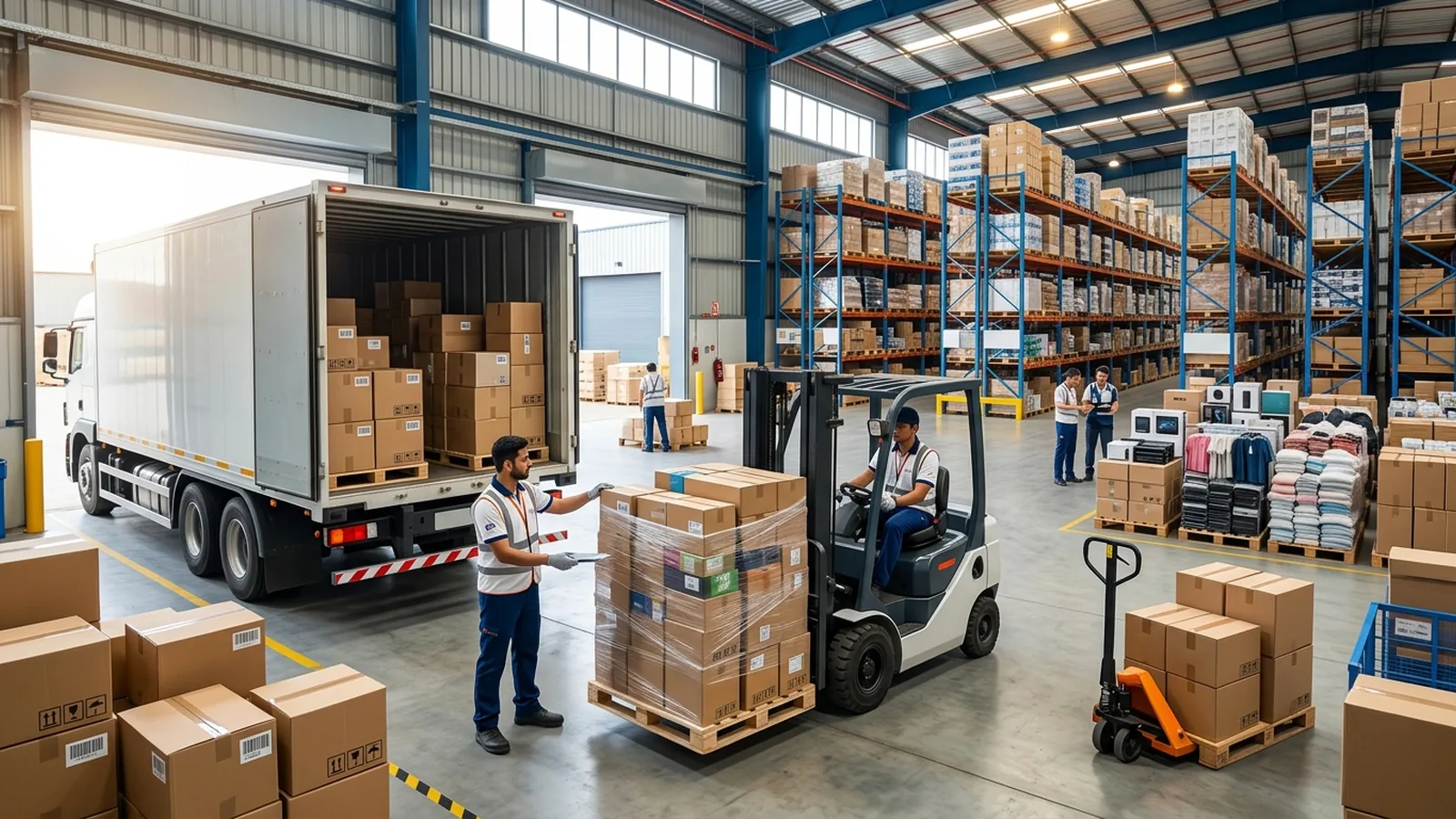
For retailers, resellers, and distributors across India, buying truckloads of inventory represents one of the most effective strategies to scale operations while dramatically reducing per-unit acquisition costs. Whether you're stocking a retail chain, building an e-commerce inventory, or operating a discount store, truckload purchasing unlocks wholesale pricing that simply isn't available through traditional channels. However, this high-volume procurement method requires careful planning, supplier vetting, and logistics coordination to ensure profitability.
The Indian liquidation and wholesale market has matured significantly over the past decade, with organized B2B platforms connecting buyers directly with manufacturers, importers, and liquidators. Truckload purchases—typically ranging from 22 to 26 pallets of merchandise—offer access to overstock, shelf-pulls, customer returns, and excess inventory at prices that can be 40-80% below wholesale market rates. Yet without proper knowledge of sourcing, evaluation, and quality control processes, buyers risk costly mistakes that can turn a promising deal into a financial burden.
This comprehensive guide walks you through every critical step of the truckload buying process, from identifying reliable suppliers and evaluating inventory quality to negotiating prices and managing complex logistics. Whether you're making your first bulk purchase or looking to refine your procurement strategy, you'll discover actionable insights to maximize returns while minimizing risk.
Understanding Truckload Inventory Purchases
A truckload purchase refers to buying inventory in full-truck quantities, typically equivalent to the cargo capacity of a standard commercial freight vehicle. In India, this usually translates to approximately 300-600 cubic feet of merchandise, depending on product density and packaging. Unlike smaller pallet or lot purchases, truckloads represent the highest volume tier in wholesale buying, commanding the deepest discounts but also requiring substantial capital and storage capacity.
Truckload inventory enters the market through several channels. Manufacturers liquidate overproduction runs, seasonal items that didn't sell, or products with minor packaging defects. Major retailers clear out returns, shelf-pulls, and discontinued lines. Import-export firms offload shipments that were refused, overstocked, or cancelled. Distribution centers consolidate slow-moving SKUs to free warehouse space. Each source presents different quality profiles, pricing structures, and risk levels that buyers must understand before committing capital.
The economics of truckload buying hinge on volume leverage. By purchasing 5,000-10,000 units in a single transaction, buyers access price points that make profitable resale possible even in competitive markets. A product that retails for ₹500 and wholesales for ₹300 might be available in truckload quantities for ₹100-150 per unit, creating substantial margin opportunities for those who can efficiently process and resell the inventory.
Types of Truckload Inventory Available
Understanding the distinct categories of truckload inventory helps buyers select opportunities that align with their business model, risk tolerance, and resale channels. Each type carries different quality expectations, pricing, and profit potential.
Overstock and Shelf-Pull Merchandise
Overstock inventory consists of new, unsold products that retailers or manufacturers need to clear from their warehouses. These items are typically in excellent condition with original packaging intact. Shelf-pulls are products removed from retail shelves—perhaps due to seasonal transitions or store remodels—but never sold to consumers. Both categories represent the highest quality in liquidation inventory and command premium pricing within the secondary market. Buyers can expect 70-90% of items to be in pristine, retail-ready condition.
Customer Returns and Refurbished Items
Customer return truckloads contain merchandise that consumers purchased and subsequently returned to retailers. Quality varies significantly, from unopened items in perfect condition to products with defects, missing components, or cosmetic damage. Major e-commerce platforms and retail chains generate enormous volumes of returns, creating a steady supply for the liquidation market. Smart buyers carefully review manifest details and condition codes, understanding that thorough sorting and testing will be necessary before resale.
Salvage and Damaged Freight
Salvage loads contain products damaged during shipping, warehouse handling, or natural disasters. While offering the steepest discounts—sometimes 90% below retail—these truckloads require expertise to evaluate. Some items may be perfectly functional with only packaging damage, while others might be unsellable. Salvage purchasing works best for buyers with repair capabilities, parts-harvesting operations, or outlets specifically catering to budget-conscious consumers who accept cosmetic imperfections.
Manifested vs. Unmanifested Loads
Manifested truckloads include detailed inventory lists specifying brands, quantities, and often individual item conditions. This transparency reduces risk and allows for more accurate profit projections. Unmanifested (or "blind") loads offer no detailed contents list—buyers purchase based on general category descriptions and photos. While unmanifested loads cost significantly less, they require experience to evaluate and higher risk tolerance to absorb potential unsellable inventory percentages.
Benefits and Challenges of Buying Truckloads
Before committing to truckload purchasing, buyers should honestly assess both the compelling advantages and the substantial challenges this procurement method presents.
Key Benefits
- Maximum cost savings: Per-unit costs drop dramatically at truckload volumes, often reaching 60-85% below retail pricing and 30-50% below standard wholesale rates.
- Inventory depth: Single purchases provide sufficient stock to operate for weeks or months, reducing transaction frequency and administrative overhead.
- Competitive positioning: Lower acquisition costs enable aggressive pricing strategies that can dominate local markets or win online marketplace buy boxes.
- Supplier relationships: Consistent truckload buyers often negotiate preferential terms, early access to premium loads, and flexible payment arrangements.
- Product variety: Mixed-category truckloads expose buyers to new product lines and market opportunities they might not have otherwise considered.
Common Challenges
- Capital requirements: Truckload purchases typically require ₹1-15 lakhs upfront investment, straining cash flow for smaller operations.
- Storage demands: Adequate warehouse space with proper climate control, security, and organization systems is essential but expensive.
- Processing time: Sorting, testing, photographing, and listing thousands of items demands significant labor and time before generating returns.
- Quality variability: Even manifested loads contain surprises—damaged items, expired products, or goods that don't match descriptions.
- Logistics complexity: Coordinating freight, unloading, and inspection requires operational capabilities beyond simple retail purchasing.
- Market saturation risk: Receiving 500 units of a single SKU requires robust distribution channels to avoid flooding local markets and depressing prices.
Finding Reliable Truckload Suppliers
Supplier selection determines success or failure in truckload purchasing. A reliable partner provides accurate descriptions, fair pricing, and consistent quality, while unreliable sources create losses through misrepresentation, poor-condition inventory, or outright fraud.
B2B Liquidation Marketplaces
Organized online platforms have transformed India's liquidation industry by creating transparent, verified marketplaces connecting buyers with multiple suppliers. These platforms typically verify seller credentials, provide standardized condition grading, offer buyer protection policies, and facilitate secure payments. When you browse wholesale inventory on established marketplaces, you benefit from aggregated supplier relationships without bearing individual verification costs.
Direct Manufacturer Relationships
Establishing direct connections with manufacturers eliminates intermediaries but requires significant relationship-building effort. Attend trade shows, industry conferences, and networking events to meet production managers and sales directors. Manufacturers typically prefer ongoing relationships with buyers who can consistently purchase overstock across multiple production cycles. These partnerships often yield the best pricing but may require minimum order commitments and longer payment terms.
Retail Liquidation Programs
Major retail chains and e-commerce platforms operate formal liquidation programs to clear returns, overstock, and shelf-pulls. Some manage these programs internally, while others partner with liquidation specialists. Qualifying as an approved buyer usually requires demonstrating financial capacity, warehouse facilities, and business legitimacy. Once approved, buyers receive regular access to predictable inventory streams with known quality profiles.
Import-Export Liquidators
Companies specializing in international trade liquidations handle refused shipments, customs seizures, and cancelled orders. These truckloads can contain premium international brands at exceptional prices, but buyers must carefully verify authenticity, check for market authorization issues, and ensure products meet Indian regulatory requirements. Import liquidation requires additional due diligence around labeling, warranties, and compliance.
Supplier Verification Checklist
Before committing to any supplier, conduct thorough due diligence:
- Verify business registration, GST number, and legal standing
- Request and check references from other buyers
- Review online reputation, ratings, and complaint histories
- Understand return and dispute resolution policies
- Confirm physical warehouse locations and inspect facilities if possible
- Start with smaller test purchases before committing to full truckloads
- Clarify all fees, including loading, manifesting, and documentation charges
- Document all communications and maintain written agreements
How to Evaluate Truckload Listings
Successful truckload buyers develop systematic evaluation processes that quickly identify profitable opportunities while avoiding problematic inventory. Each listing requires careful analysis across multiple dimensions.
Manifest Analysis
For manifested loads, scrutinize the inventory list for several key factors. Calculate the retail value of listed items by researching current market prices on e-commerce platforms and retail websites. Assess brand mix—premium brands typically resell faster and at higher margins than unknown labels. Analyze SKU diversity; loads with thousands of different items require more processing effort than loads with a few SKUs in higher quantities. Identify any high-value anchor items that alone might justify the purchase price.
Condition Grading
Reputable sellers use standardized condition codes. Common gradings include:
| Grade | Description | Expected Sellable % |
|---|---|---|
| New/Overstock | Brand new in original packaging, never sold | 85-95% |
| Shelf-Pull | Removed from retail shelves, may have minor shelf wear | 80-90% |
| Customer Returns | Returned by customers, condition varies widely | 50-70% |
| Tested/Refurbished | Returns that have been tested and verified functional | 75-85% |
| Salvage/As-Is | Damaged, untested, or significantly imperfect | 30-50% |
Always clarify what condition percentages the seller claims for each grade category. A "customer returns" truckload might be described as "70% Grade A, 20% Grade B, 10% Grade C," indicating expected functionality and resale readiness.
Category Fit and Market Demand
Evaluate whether the product categories align with your expertise and distribution channels. Electronics require testing equipment and technical knowledge. Apparel demands understanding of sizing, seasonal trends, and fashion cycles. Home goods need more storage space but often sell steadily. Research current market demand for the specific brands and product types in the load. Tools like Google Trends, marketplace sold listings, and competitor inventory analysis reveal which items will move quickly versus languish in your warehouse.
Photographic Evidence
Request detailed photos showing pallet conditions, packaging quality, and representative samples from the load. Professional sellers provide multiple angles, close-ups of labels and barcodes, and honest documentation of any damage. Be skeptical of listings with only stock photos or limited visual documentation. When investing lakhs of rupees, comprehensive photographic evidence is a reasonable expectation.
Calculating True Landed Cost
The purchase price represents only one component of your total investment. Calculate the complete landed cost including:
- Purchase price of the truckload
- Freight and transportation charges
- Unloading labor and equipment rental
- Inspection and sorting time (convert to rupee cost)
- Storage costs for the holding period
- Listing fees for online marketplaces
- Photography and content creation expenses
- Estimated disposal costs for unsellable items
Your true per-unit cost after accounting for these factors determines realistic profit margins and minimum selling prices.
Pricing Models and Negotiation Strategies
Truckload inventory pricing follows several models, each with advantages for different buyer profiles and risk tolerances. Understanding these structures enables more effective negotiation and better deal recognition.
Fixed-Price Sales
The seller lists a truckload at a set price, often displayed on liquidation lot marketplaces. This transparent model allows quick decision-making and straightforward budgeting. Prices are typically non-negotiable or have minimal flexibility. Fixed pricing works well for buyers who need inventory immediately and have confidence in their evaluation skills. The trade-off is potentially paying slightly more than auction buyers while gaining certainty and speed.
Auction-Based Pricing
Competitive bidding determines the final price, with truckloads going to the highest bidder. Auctions can yield exceptional deals when competition is light but also trigger emotional bidding wars that drive prices above rational levels. Successful auction buyers set maximum bid limits based on thorough profit calculations and exercise discipline to walk away when bidding exceeds those limits. Research historical closing prices for similar loads to calibrate bidding strategies.
Percentage-of-Retail Pricing
Some liquidators price truckloads as a percentage of the total retail value—typically 10-30% for customer returns and 30-60% for overstock. This model works when manifests provide accurate retail values and buyers trust the seller's pricing methodology. Always verify retail values independently rather than accepting the seller's calculations, as inflated retail figures artificially improve percentage-based pricing.
Negotiation Tactics That Work
Even with posted prices, negotiation opportunities exist, particularly for buyers building ongoing relationships. Effective strategies include:
- Volume commitments: Offer to purchase multiple truckloads over time in exchange for per-load discounts
- Cash payment premiums: Propose immediate payment in return for price reductions
- Flexible timing: Accept loads during the seller's preferred shipping windows to reduce their logistics costs
- Category preferences: Buy entire loads including less-desirable categories rather than cherry-picking, earning better overall pricing
- Competitor awareness: Professionally reference alternative sources without aggressive posturing
- Long-term relationships: Frame purchases as the beginning of an ongoing partnership rather than one-off transactions
Avoid aggressive or disrespectful negotiation tactics. The liquidation community in India is relatively small, and reputation matters. Sellers remember buyers who waste time with unrealistic offers or create problems, potentially excluding them from future opportunities.
Managing Logistics and Delivery
Truckload logistics separate successful buyers from those who struggle. Poor planning around freight, receiving, and unloading creates costly delays, damaged inventory, and operational chaos.
Freight Arrangement
Determine whether freight is included in the purchase price or arranged separately. FOB (Free on Board) pricing means you handle transportation from the seller's location, while delivered pricing includes freight to your warehouse. When arranging your own freight, obtain quotes from multiple carriers, verify insurance coverage, and confirm vehicle size matches your receiving capabilities. Full truckload (FTL) shipping typically costs ₹15,000-50,000 depending on distance, while partial loads on less-than-truckload (LTL) carriers may be more economical for smaller purchases.
Receiving Infrastructure
Before scheduling delivery, ensure your facility can handle the logistics. Standard requirements include:
- Loading dock or forklift for pallet unloading (trucks cannot wait hours for manual unloading)
- Sufficient clear floor space for entire load placement
- Pallet jacks or material handling equipment
- Adequate lighting for inspection
- Climate-controlled areas if receiving electronics or perishables
- Security measures for high-value inventory
Communicate delivery requirements clearly with the carrier. Specify appointment windows, dock availability, and any access restrictions. Residential deliveries or locations without proper unloading equipment incur substantial additional charges and may not be possible for full truckloads.
Delivery Inspection Protocol
Never sign delivery receipts without thorough inspection. Professional buyers conduct multi-point checks:
- Count total pallets against shipping documentation
- Photograph truck interior and all pallets before unloading
- Note any visible damage to packaging or pallets
- Document shortages, damaged goods, or discrepancies immediately
- Annotate delivery receipts with any issues before signing
- Contact seller immediately if significant problems are discovered
Most sellers have 24-48 hour windows for reporting delivery issues. Missing this deadline often forfeits any recourse for damaged or incorrect shipments.
Quality Inspection and Receiving Process
The receiving process determines how quickly you can convert inventory into cash flow and how accurately you can price items for resale. Systematic processing protects margins and customer satisfaction.
Initial Sorting
Organize inventory into categories immediately upon receipt: sellable as-is, needs minor repair or cleaning, requires testing, parts only, and unsellable. This triage prevents quality issues from being distributed throughout your resale channels. Establish clear criteria for each category and train staff on consistent evaluation standards.
Testing and Functionality Verification
For electronics, appliances, and mechanical items, testing is essential. Set up a dedicated testing station with necessary tools, power sources, and connectivity options. Document testing results, keeping records that support your resale listings and protect against customer disputes. Items that fail testing can often be sold for parts or repaired if you have technical capabilities.
Data Capture and Inventory Management
Catalog each item with sufficient detail for resale listings. Capture product identifiers (UPC, ISBN, model numbers), condition notes, quantity available, and sourcing costs. Quality inventory management software pays for itself quickly in saved time and prevented errors. Many successful resellers integrate barcode scanning systems that dramatically accelerate processing.
Quality Grading Standards
Develop consistent grading criteria that align with your sales channels. Common categories include:
- New in Box (NIB): Sealed original packaging, never opened
- New Open Box: Original packaging opened but item unused
- Like New: Used minimally with no signs of wear
- Good: Functional with minor cosmetic wear
- Acceptable: Functional with significant wear or defects clearly disclosed
- For Parts: Not functional but has salvageable components
Honest grading builds customer trust and reduces return rates. Over-grading leads to negative feedback and marketplace account issues, while under-grading leaves money on the table.
Storage, Sorting, and Resale Planning
Transforming truckloads into profits requires efficient systems for storage, inventory turnover, and multi-channel distribution. The speed at which you convert inventory into revenue directly impacts return on investment.
Warehouse Organization
Organize storage by product category, condition grade, and sales velocity. High-value items deserve secure, climate-controlled locations. Fast-moving inventory should occupy easily accessible positions. Implement location tracking systems so staff can quickly locate items for packing. Poor organization creates picking delays, shipping errors, and lost inventory that erodes margins.
Pricing Strategies
Price research determines competitive positioning. For branded items, check current listings on major e-commerce platforms, recent sold prices, and local market rates. Consider your turn time objectives—premium pricing maximizes per-unit profit but slows velocity, while aggressive pricing accelerates cash flow and warehouse turnover. Many buyers use tiered pricing that starts higher then systematically reduces for aging inventory.
Multi-Channel Distribution
Diversify sales channels to maximize reach and reduce platform dependency. Successful truckload buyers typically utilize:
- Major e-commerce marketplaces for wide audience access
- Own website or online store for direct customer relationships
- Wholesale to smaller retailers for bulk movement
- Local retail storefronts for immediate cash sales
- B2B platforms like DealsGoKart for bulk resale to other businesses
- Social media and community selling for certain product categories
Each channel has different fee structures, customer expectations, and processing requirements. Match product categories to channels where they perform best rather than forcing all inventory through the same distribution method.
Inventory Turnover Optimization
Monitor days-to-sale metrics and inventory aging. Items sitting for 60+ days tie up capital and occupy valuable warehouse space. Implement systematic markdown schedules, bundle slow-moving items with popular products, or liquidate aged inventory through discount channels. The goal is continuous flow—money reinvested in fresh truckloads generates better returns than perfectly optimized pricing on stagnant inventory.
Customer Service Excellence
Liquidation inventory often requires above-average customer service. Buyers need reassurance about product condition, functionality, and return policies. Respond promptly to inquiries, provide detailed photos and descriptions, honor commitments, and handle issues professionally. Positive feedback and repeat customers provide sustainable advantages in competitive markets. When you establish a reputation for honest descriptions and reliable service, customers choose you over lower-priced competitors with questionable practices.
Continuous Improvement
Track performance metrics for each truckload purchase: total investment, processing time, sellable percentage, average selling price, gross profit, and return on investment. Identify which suppliers, categories, and condition grades deliver the best results. Refine buying criteria based on actual outcomes rather than assumptions. Successful truckload buyers treat each purchase as a learning opportunity, systematically improving selection and processing with experience.
The truckload inventory business rewards those who combine analytical purchasing with operational excellence. While the learning curve presents challenges, buyers who master sourcing, logistics, and distribution build highly profitable businesses with substantial competitive moats. Start with smaller purchases to develop skills and systems, gradually scaling as confidence and capital allow.
Ready to start your truckload buying journey? Browse verified truckload lots from established suppliers, connect with manufacturers clearing overstock, and access the tools you need to build a thriving inventory-based business. Whether you're sourcing electronics, apparel, home goods, or mixed-category loads, DealsGoKart provides the marketplace infrastructure, supplier verification, and buyer protection that make truckload purchasing accessible to businesses of all sizes. Create your free buyer account today, explore current wholesale inventory opportunities, and discover why thousands of Indian retailers trust DealsGoKart for their bulk procurement needs. For personalized assistance with your first truckload purchase or questions about specific inventory categories, our procurement team is available through our contact page to help you navigate the buying process with confidence.
Frequently asked questions
Truckload prices vary widely based on product category, condition, and manifesting. Liquidation truckloads can range from ₹50,000 to ₹15 lakhs or more. Overstock and shelf-pull inventory typically commands higher prices than customer returns, while unmanifested mystery loads offer the lowest per-unit costs but higher risk.
Ready to source smarter?
Ready to source your first truckload of inventory? Explore verified wholesale and liquidation truckload lots on DealsGoKart today.