
Supply Chain Optimization: Complete Guide for Indian B2B
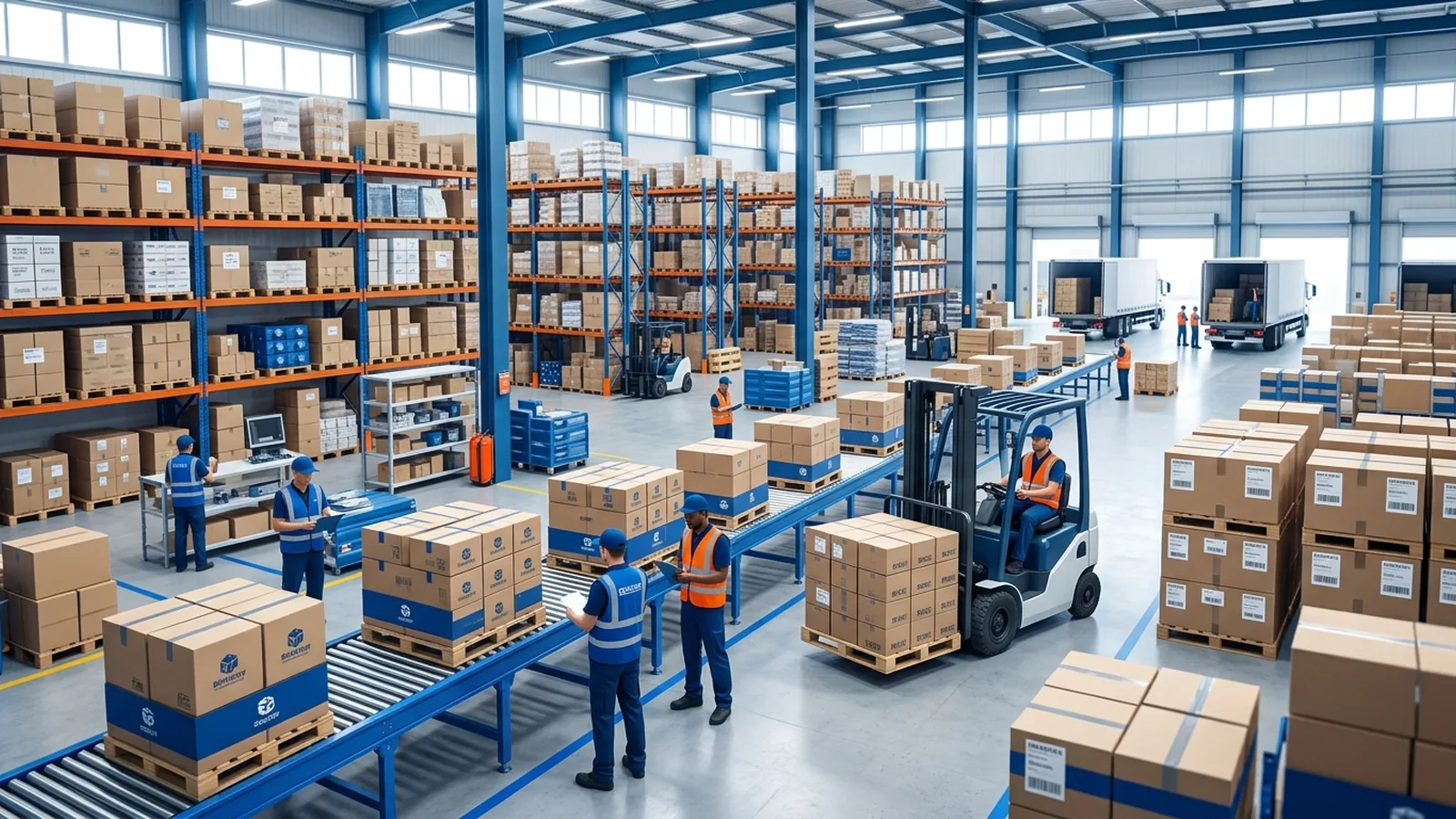
In today's competitive Indian B2B landscape, the difference between thriving and merely surviving often comes down to how efficiently you manage your supply chain. Supply chain optimization isn't just a corporate buzzword—it's a fundamental strategy that can reduce your operational costs by 15-30%, improve delivery times, minimize waste, and significantly boost your bottom line. Whether you're a small retailer in tier-2 cities or a growing distributor serving multiple states, optimizing your supply chain is no longer optional; it's essential for sustainable growth.
The Indian market presents unique challenges and opportunities. From navigating diverse supplier ecosystems to managing inventory across vast geographic distances, retailers and wholesalers face complexities that demand smart, strategic solutions. This comprehensive guide will walk you through proven supply chain optimization strategies specifically tailored for Indian businesses, complete with actionable steps you can implement immediately to see measurable improvements.
By understanding and applying these principles, you'll be equipped to make data-driven decisions, build resilient supplier relationships, leverage technology effectively, and create a lean, responsive supply chain that adapts to market changes while keeping costs firmly under control.
What is Supply Chain Optimization?
Supply chain optimization is the strategic process of improving the flow of goods, information, and finances across your entire supply network to achieve maximum efficiency at minimum cost. It involves analyzing every touchpoint—from raw material sourcing to final product delivery—and systematically eliminating waste, reducing delays, and enhancing value delivery to your customers.
At its core, optimization means finding the sweet spot between competing priorities: maintaining sufficient inventory to meet demand without tying up excessive capital, securing the best supplier terms without compromising quality, and delivering quickly without inflating logistics costs. For Indian businesses, this often means balancing traditional trade practices with modern efficiency techniques.
The scope of supply chain optimization extends across several interconnected areas:
- Procurement optimization: Sourcing the right products from the right suppliers at the right price and time
- Inventory management: Maintaining optimal stock levels that meet demand without excess carrying costs
- Warehouse operations: Efficiently organizing, storing, and retrieving inventory
- Logistics and distribution: Moving products from point A to B using the most cost-effective methods
- Information flow: Ensuring all stakeholders have real-time visibility into supply chain status
- Supplier relationships: Building partnerships that deliver mutual value and reliability
Unlike one-time improvements, supply chain optimization is a continuous journey of measurement, analysis, and refinement. Market conditions change, customer expectations evolve, and new technologies emerge—your supply chain must adapt accordingly.
Key Components of an Optimized Supply Chain
An optimized supply chain functions like a well-orchestrated system where each component works in harmony with others. Understanding these components helps you identify where to focus your improvement efforts for maximum impact.
Demand Forecasting and Planning
Accurate demand forecasting forms the foundation of supply chain optimization. By predicting customer demand with reasonable accuracy, you can maintain optimal inventory levels, reduce stockouts, and minimize excess stock that ties up working capital. Indian businesses must account for seasonal festivals, regional variations, and local market dynamics when forecasting demand.
Modern forecasting combines historical sales data, market trends, economic indicators, and even weather patterns to predict future demand. For smaller businesses without sophisticated software, even basic spreadsheet analysis of past sales patterns can significantly improve ordering decisions.
Supplier Network Management
Your suppliers are partners in your success. Optimized supply chains feature diversified yet manageable supplier networks that balance risk, cost, and quality. This means cultivating relationships with reliable primary suppliers while maintaining backup options to prevent disruption.
For procurement teams, the goal is to move beyond transactional relationships toward strategic partnerships. This includes negotiating favorable payment terms, establishing quality standards, ensuring consistent communication, and collaborating on demand planning. Exploring diverse sourcing options, including wholesale inventory and liquidation opportunities, can provide cost advantages and supply flexibility.
Inventory Control Systems
Effective inventory management sits at the heart of supply chain optimization. The challenge is maintaining enough stock to fulfill orders promptly while avoiding the costs associated with excess inventory—storage fees, insurance, obsolescence, and tied-up capital that could be invested elsewhere.
Techniques like ABC analysis (categorizing inventory by value and turnover), economic order quantity calculations, and safety stock optimization help determine ideal inventory levels. Many Indian businesses are discovering that strategic use of liquidation lots can help them test new product categories with minimal risk while optimizing cash flow.
Warehouse and Storage Optimization
Your warehouse layout and processes directly impact order fulfillment speed and accuracy. An optimized warehouse features logical product placement (fast-moving items near packing areas), clear labeling systems, efficient picking routes, and appropriate technology for your scale—ranging from simple bin location systems to advanced warehouse management software.
Even basic improvements like reorganizing your storage layout or implementing a first-in-first-out (FIFO) system can dramatically reduce picking time and minimize product expiration or obsolescence.
Transportation and Logistics
Logistics optimization involves selecting the right transportation modes, consolidating shipments when possible, optimizing delivery routes, and choosing logistics partners who balance cost and reliability. In India's diverse geography, this might mean combining multiple transportation methods to reach different markets cost-effectively.
Information Technology and Data Systems
Supply chain visibility—knowing where inventory is, when shipments will arrive, and what's selling—enables proactive decision-making. While large enterprises deploy sophisticated ERP and supply chain management systems, even small businesses benefit from basic inventory tracking software, automated reorder alerts, and shared digital communication with suppliers.
Benefits for Indian Businesses
When implemented effectively, supply chain optimization delivers tangible, measurable benefits that directly impact your competitiveness and profitability in the Indian market.
Cost Reduction
This is often the most immediate and visible benefit. Optimized supply chains reduce costs across multiple areas: lower inventory carrying costs through improved turnover, reduced emergency shipment expenses through better planning, decreased waste from obsolescence or damage, and improved supplier pricing through strategic procurement. Many businesses report 15-25% reduction in total supply chain costs within the first year of optimization.
Improved Cash Flow
For small and medium businesses, cash flow often determines survival. By reducing inventory levels, negotiating better payment terms, and accelerating order-to-cash cycles, supply chain optimization frees up working capital. This capital can then be reinvested in growth opportunities, providing a competitive advantage in rapidly evolving markets.
Enhanced Customer Satisfaction
Optimized supply chains deliver products faster, more reliably, and with fewer errors. This translates to higher customer satisfaction, increased repeat business, and positive word-of-mouth. In India's increasingly competitive retail environment, where customers have numerous options, reliable fulfillment becomes a key differentiator.
Better Market Responsiveness
An optimized supply chain is agile and responsive. When market trends shift or new opportunities emerge, you can quickly adjust procurement, reallocate inventory, or enter new categories. This agility is particularly valuable during festival seasons or when responding to regional demand variations across India's diverse markets.
Reduced Risk and Disruption
Supply chain optimization includes building resilience through supplier diversification, safety stock planning, and contingency procedures. This preparation minimizes the impact of disruptions—whether from supplier issues, transportation delays, or unexpected demand spikes—ensuring business continuity.
Competitive Advantage
Ultimately, an optimized supply chain enables you to offer competitive pricing while maintaining healthy margins, deliver faster than competitors, and reliably meet customer expectations. These advantages compound over time, strengthening your market position and creating sustainable competitive moats.
Common Supply Chain Challenges in India
Understanding the specific challenges faced by Indian businesses helps you prioritize optimization efforts and develop realistic implementation strategies.
Infrastructure Limitations
Despite improvements, India's logistics infrastructure still presents challenges. Road conditions vary significantly, warehousing facilities may lack modern amenities, and last-mile delivery in remote areas remains difficult and expensive. These realities must be factored into supply chain design and expectations.
Fragmented Supplier Networks
Many Indian industries feature highly fragmented supplier bases with numerous small manufacturers and distributors. This fragmentation can make it difficult to ensure consistent quality, negotiate volume pricing, or implement standardized processes. Building relationships with reliable suppliers and exploring consolidated procurement solutions helps address this challenge.
Limited Supply Chain Visibility
Many small and medium businesses lack real-time visibility into their supply chains. Without knowing current inventory levels, shipment locations, or supplier production status, reactive firefighting replaces proactive management. Improving visibility—even through simple shared spreadsheets or basic tracking systems—pays significant dividends.
Working Capital Constraints
Cash flow limitations often force businesses into suboptimal decisions: ordering insufficient quantities to qualify for volume discounts, delaying payments that strain supplier relationships, or stocking out during high-demand periods. Strategic approaches like exploring wholesale opportunities can help stretch working capital further.
Demand Variability
Indian markets experience significant demand fluctuations driven by festivals, wedding seasons, agricultural cycles, and regional preferences. This variability makes forecasting challenging and can result in either excess inventory or missed sales opportunities. Sophisticated demand planning and flexible supplier arrangements help manage this variability.
Compliance and Documentation
GST compliance, interstate movement documentation, and evolving regulations add complexity to supply chain operations. Ensuring proper documentation and staying current with regulatory changes requires dedicated attention and often specialized expertise.
Technology Adoption Barriers
Cost concerns, lack of technical expertise, and resistance to change can slow technology adoption. However, the gap between technology leaders and laggards in supply chain performance continues to widen, making this an increasingly critical challenge to address.
Proven Optimization Strategies
These practical strategies can be implemented incrementally, allowing you to build optimization momentum while managing resource constraints.
Implement ABC Inventory Analysis
ABC analysis categorizes your inventory into three groups: A items (high value, typically 20% of SKUs representing 80% of value), B items (moderate value), and C items (low value, numerous SKUs with minimal total value). This segmentation allows you to apply differentiated management strategies—tight controls and frequent review for A items, moderate oversight for B items, and simple reorder systems for C items.
This targeted approach optimizes resource allocation, ensuring your attention and sophisticated processes focus where they deliver maximum value while keeping simpler items from consuming disproportionate management time.
Optimize Reorder Points and Quantities
Calculate optimal reorder points based on lead time, demand variability, and desired service levels. Similarly, determine economic order quantities that balance ordering costs against inventory carrying costs. While mathematical formulas exist for these calculations, even rough approximations based on historical data significantly improve inventory efficiency.
Build Strategic Supplier Partnerships
Move beyond arm's-length transactions to collaborative relationships with key suppliers. Share demand forecasts, discuss capacity constraints openly, negotiate win-win payment terms, and work together to improve quality and reduce costs. When suppliers understand your business and view you as a partner rather than just a customer, they prioritize your orders and proactively communicate potential issues.
Consider consolidating purchases with fewer suppliers to gain volume leverage while maintaining backup suppliers for critical items to manage risk.
Leverage Alternative Procurement Channels
Diversify your procurement strategy to include wholesale, surplus, and liquidation inventory where appropriate. These channels can provide significant cost advantages for non-perishable goods, allowing you to improve margins or offer competitive pricing. Smart buyers regularly explore catalog listings to identify opportunities that align with their customer demand.
Optimize Warehouse Layout and Processes
Redesign your warehouse layout to minimize travel distance for fast-moving items. Implement clear labeling and bin location systems. Establish standard operating procedures for receiving, putaway, picking, and dispatch. Train staff on these processes and measure key metrics like picking accuracy and order processing time.
Simple changes like organizing products by velocity, establishing dedicated packing areas, and implementing quality checks at receiving can dramatically improve warehouse efficiency without significant capital investment.
Implement Just-in-Time Principles (Adapted)
While pure just-in-time inventory may not suit Indian infrastructure realities, the underlying principles remain valuable: reduce waste, improve flow, and maintain minimal inventory consistent with reliable fulfillment. This might mean ordering certain fast-moving items more frequently in smaller quantities while maintaining strategic safety stock for items with longer or variable lead times.
Consolidate and Optimize Transportation
Consolidate shipments when possible to achieve better rates and reduce environmental impact. Negotiate contracts with reliable logistics providers. For businesses shipping to multiple locations, explore hub-and-spoke distribution models or collaborate with complementary businesses to share transportation costs.
Develop Accurate Demand Forecasting
Start with simple moving averages of historical sales data, then progressively refine by incorporating seasonal factors, promotional impacts, and market trends. Involve your sales team in the forecasting process—they often possess valuable insights about upcoming customer plans or market shifts not yet reflected in historical data.
Review forecast accuracy regularly and adjust methodologies based on what works. Even improving forecast accuracy from 60% to 75% can significantly reduce inventory costs and stockouts.
Create Standard Operating Procedures
Document standard processes for key supply chain activities: receiving procedures, quality checks, inventory cycle counts, order processing, supplier communication protocols, and exception handling. SOPs ensure consistency, facilitate training, and enable continuous improvement by establishing a baseline against which to measure enhancements.
Technology and Tools for Optimization
Technology amplifies supply chain optimization efforts, but the key is selecting appropriate tools for your scale and sophistication level.
For Small Businesses (Getting Started)
Begin with affordable, user-friendly solutions that deliver quick wins:
- Spreadsheet-based inventory tracking: Customized Excel or Google Sheets templates can track stock levels, reorder points, and supplier information
- Cloud-based inventory apps: Affordable mobile apps enable barcode scanning and real-time inventory updates
- Digital communication tools: WhatsApp Business, email, or simple collaboration platforms improve supplier coordination
- Basic accounting software: Tools like Tally or Zoho Books provide inventory modules alongside financial management
For Growing Businesses (Scaling Up)
As your business grows, invest in more sophisticated tools:
- Inventory Management Systems: Dedicated software that tracks stock across multiple locations, automates reorder alerts, and provides analytics
- Order Management Systems: Centralize order processing from multiple sales channels
- Warehouse Management Systems: Optimize picking routes, track bin locations, and improve fulfillment accuracy
- Supply Chain Analytics Tools: Generate insights on supplier performance, inventory turnover, and cost drivers
- Transportation Management: Optimize routing, track shipments, and manage carrier relationships
For Established Enterprises
Larger operations benefit from integrated enterprise solutions:
- ERP Systems: Comprehensive platforms integrating financial, inventory, procurement, and operational data
- Advanced Planning Systems: Sophisticated demand forecasting and supply planning tools
- EDI and API Integrations: Automated data exchange with suppliers and customers
- IoT and RFID: Real-time tracking of inventory location and condition
Technology Implementation Best Practices
Regardless of scale, follow these principles when adopting supply chain technology:
- Start with your most pressing pain points rather than implementing everything at once
- Ensure any new system integrates with existing tools to avoid data silos
- Invest adequately in training—technology only delivers value when people use it effectively
- Prioritize cloud-based solutions that require minimal IT infrastructure and scale with your growth
- Choose vendors with strong support and active user communities in India
- Implement in phases with clear success metrics for each phase
Measuring Supply Chain Performance
What gets measured gets managed. Tracking the right metrics enables data-driven decision-making and demonstrates optimization ROI.
Essential Supply Chain Metrics
| Metric | What It Measures | Target Range | Why It Matters |
|---|---|---|---|
| Inventory Turnover Ratio | How many times inventory is sold and replaced annually | 6-12x (varies by industry) | Indicates inventory efficiency and capital utilization |
| Days of Inventory on Hand | Average number of days inventory sits before being sold | 30-60 days (varies by industry) | Shows how quickly you convert inventory to sales |
| Order Fulfillment Cycle Time | Time from order receipt to delivery | 24-72 hours (local orders) | Impacts customer satisfaction and repeat business |
| Perfect Order Rate | Percentage of orders delivered complete, on-time, damage-free | 95%+ target | Comprehensive measure of fulfillment quality |
| Carrying Cost Percentage | Total cost of holding inventory as percentage of inventory value | 15-25% annually | Quantifies the true cost of inventory investment |
| Stockout Rate | Percentage of time items are unavailable when demanded | Under 5% | Measures lost sales and customer satisfaction impact |
| Supplier Lead Time | Average time from order placement to receipt | Varies by supplier/product | Critical for inventory planning and safety stock calculations |
| Cash-to-Cash Cycle Time | Days from paying suppliers to receiving customer payment | Minimize (goal: negative) | Measures working capital efficiency |
Implementing a Metrics Dashboard
Create a simple dashboard (even a spreadsheet) that tracks your chosen 5-7 key metrics weekly or monthly. Review trends rather than focusing solely on individual data points. Involve your team in understanding what drives these metrics and celebrating improvements.
Set realistic improvement targets—aiming for 10-15% improvement in key metrics over 6-12 months is often more sustainable than attempting dramatic transformations that disrupt operations.
Regular Review and Adjustment
Schedule monthly or quarterly supply chain review meetings where you analyze metrics, discuss challenges, celebrate wins, and adjust strategies. These reviews ensure optimization remains a continuous priority rather than a one-time initiative that loses momentum.
Implementation Roadmap
Supply chain optimization is a journey, not a destination. This phased approach helps you build momentum while managing resources effectively.
Phase 1: Assessment and Foundation (Months 1-2)
Begin by understanding your current state:
- Map your existing supply chain—document suppliers, inventory locations, processes, and information flows
- Calculate baseline metrics for key performance indicators
- Identify the top 3-5 pain points impacting costs, customer satisfaction, or growth
- Assess current technology and data availability
- Engage key stakeholders (procurement, warehouse, sales, finance) in the optimization journey
Deliverable: A clear assessment document outlining current state, priority improvement areas, and baseline metrics.
Phase 2: Quick Wins (Months 2-4)
Build momentum with improvements that deliver fast results:
- Implement ABC inventory analysis and adjust management approaches accordingly
- Reorganize warehouse layout to improve picking efficiency
- Establish standard operating procedures for key processes
- Initiate strategic conversations with top suppliers about partnership opportunities
- Set up basic metric tracking if not already in place
- Identify obsolete inventory and develop clearance strategies
These improvements typically require minimal investment but deliver measurable results that build organizational support for continued optimization.
Phase 3: Strategic Improvements (Months 4-8)
Tackle more substantial optimization initiatives:
- Implement demand forecasting processes, starting with top-selling categories
- Negotiate improved supplier terms and consolidate purchases where appropriate
- Introduce or upgrade inventory management technology
- Optimize reorder points and quantities based on data analysis
- Develop backup supplier relationships for critical items
- Establish logistics optimization—consolidate shipments, negotiate better rates
- Explore alternative procurement channels including DealsGoKart's B2B marketplace for cost optimization opportunities
Phase 4: Continuous Improvement (Ongoing)
Embed optimization into your organizational culture:
- Hold regular supply chain performance reviews
- Continuously refine forecasting models based on accuracy analysis
- Expand optimization initiatives to additional product categories or locations
- Invest in more sophisticated technology as justified by ROI
- Train team members on supply chain best practices
- Stay informed about industry trends and emerging optimization techniques
- Benchmark performance against industry standards and continuously raise targets
Critical Success Factors
Throughout implementation, keep these success factors in mind:
- Leadership commitment: Optimization requires sustained attention and resources from leadership
- Cross-functional collaboration: Supply chain optimization touches every department—break down silos
- Data-driven decision making: Base decisions on metrics and analysis rather than intuition alone
- Change management: Communicate clearly about why changes are happening and train people adequately
- Patience and persistence: Real optimization takes time—maintain focus through initial challenges
- Celebrate wins: Recognize and celebrate improvements to maintain team engagement
Avoiding Common Pitfalls
Learn from others' mistakes by avoiding these common optimization pitfalls:
- Trying to optimize everything simultaneously—focus and prioritize
- Implementing technology without fixing underlying process problems
- Neglecting to involve frontline employees who understand day-to-day realities
- Setting unrealistic timelines that lead to rushed, incomplete implementation
- Failing to maintain optimization momentum after initial improvements
- Optimizing individual functions in isolation rather than end-to-end supply chain
- Ignoring supplier relationships in pursuit of short-term cost savings
Conclusion: Your Path to Supply Chain Excellence
Supply chain optimization represents one of the highest-return investments Indian businesses can make. By systematically improving how you source, store, move, and deliver products, you unlock cost savings, improve customer satisfaction, enhance cash flow, and build competitive advantages that compound over time.
The strategies outlined in this guide—from ABC inventory analysis to supplier partnership development, from warehouse optimization to demand forecasting—provide a comprehensive toolkit for supply chain transformation. The key is starting where you are, focusing on your highest-impact opportunities, implementing systematically, measuring results, and continuously improving.
Remember that optimization is a journey rather than a destination. Begin with quick wins that build momentum and organizational support. Gradually tackle more strategic initiatives as capabilities develop. Embrace appropriate technology at each stage without over-investing prematurely. Most importantly, cultivate a culture of continuous improvement where every team member understands how their role impacts supply chain performance.
Whether you're a small retailer looking to better manage inventory or a growing distributor seeking to scale efficiently, the principles and practices in this guide apply. The competitive advantages of an optimized supply chain—lower costs, faster delivery, better cash flow, and superior customer service—become more pronounced as markets mature and competition intensifies.
Ready to transform your supply chain performance and unlock hidden profitability? Explore DealsGoKart's wholesale and liquidation inventory to optimize your procurement costs today. Connect with our team to discover how strategic sourcing through India's leading B2B marketplace for surplus and liquidation inventory can reduce your costs while maintaining the quality your customers expect. Visit our Knowledge Center for more insights on supply chain management, inventory optimization, and procurement strategies that drive business success.
Frequently asked questions
Supply chain optimization is the strategic process of improving efficiency, reducing costs, and enhancing service levels across your entire supply chain—from procurement to final delivery. For Indian businesses, it directly impacts profit margins, customer satisfaction, and competitive advantage in increasingly crowded markets.
Ready to source smarter?
Ready to transform your supply chain performance and unlock hidden profitability? Explore DealsGoKart's wholesale and liquidation inventory to optimize your procurement costs today.