
Wholesale vs Retail: Key Differences & Profit Guide 2024
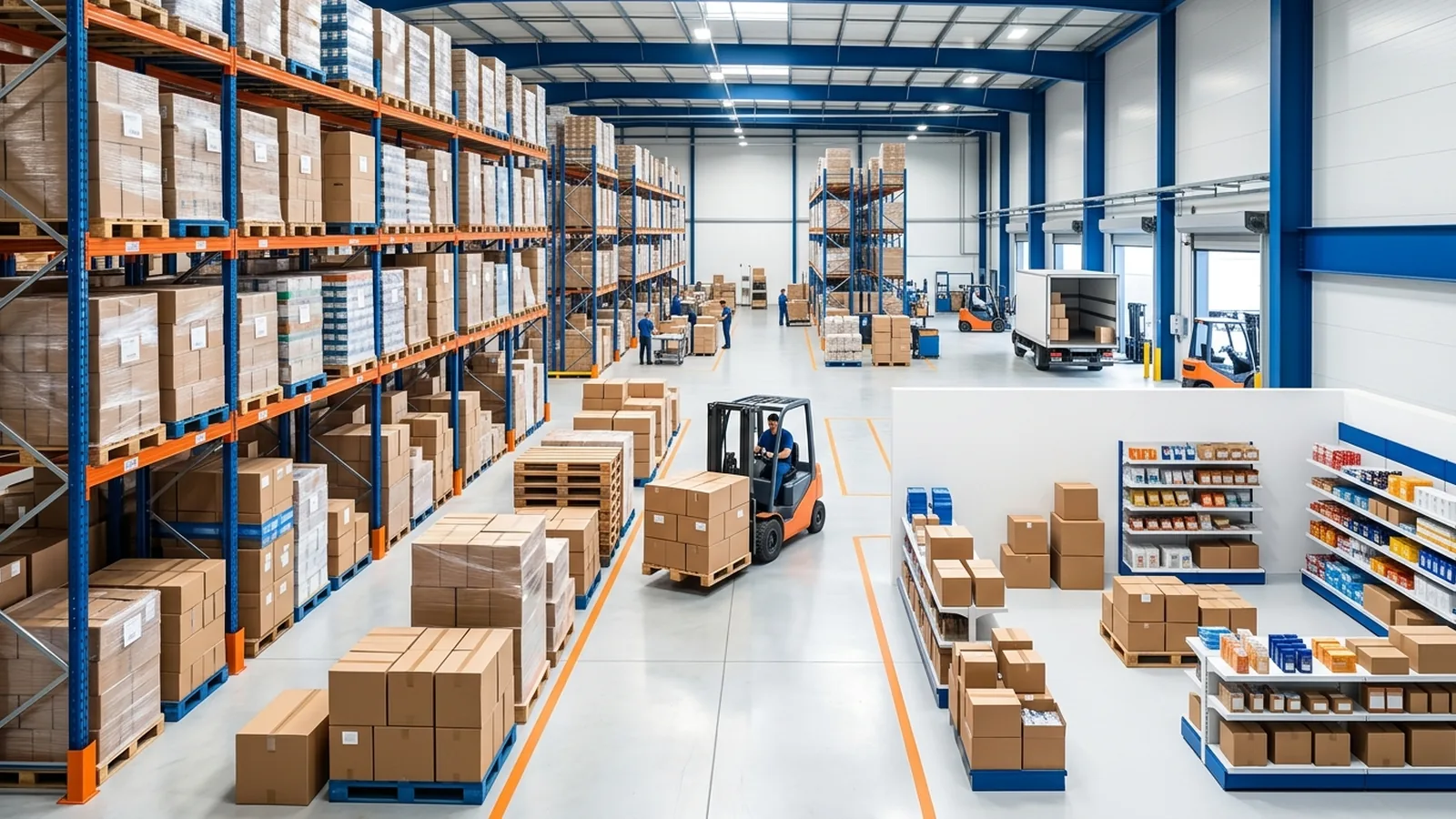
The choice between wholesale and retail can fundamentally shape your business trajectory, profit margins, and daily operations. Whether you're a budding entrepreneur exploring business opportunities in India or an established retailer considering expansion into wholesale distribution, understanding the nuanced differences between these two business models is crucial for success. Both approaches offer distinct advantages and challenges, and the right choice depends on your capital, expertise, market access, and long-term business goals.
In the Indian market, where business relationships, volume transactions, and price sensitivity play pivotal roles, the wholesale vs retail decision carries even greater weight. This comprehensive guide breaks down everything you need to know about both models—from pricing strategies and profit margins to operational requirements and market dynamics. By the end, you'll have the clarity to choose the path that aligns with your resources and ambitions, or perhaps discover how to leverage both models for maximum profitability.
Understanding the Basics: Wholesale vs Retail
At its core, the distinction between wholesale and retail lies in who you sell to, how much you sell, and at what price point. Wholesale businesses operate on a business-to-business (B2B) model, selling large quantities of products at discounted prices to retailers, distributors, or other businesses that will resell the goods. Retail businesses, conversely, follow a business-to-consumer (B2C) model, selling individual products or small quantities directly to end consumers at higher price points.
Wholesalers function as the critical link in the supply chain between manufacturers and retailers. They purchase products in bulk—often directly from manufacturers or through authorized distributors—and break these large quantities into smaller, manageable lots that retailers can afford and stock. This aggregation and distribution function allows manufacturers to focus on production while enabling smaller retailers to access inventory without massive capital outlays.
Retailers, on the other hand, create the final touchpoint in the product journey. They curate product selections, create shopping experiences, provide customer service, and handle individual transactions. Whether operating physical stores, e-commerce platforms, or hybrid models, retailers add value through convenience, accessibility, product knowledge, and brand experience. The retail margin compensates for these additional services and the smaller transaction volumes.
The Supply Chain Position
Understanding where each model sits in the supply chain helps clarify their roles:
- Manufacturer: Creates the product at the lowest cost per unit
- Distributor/Wholesaler: Purchases in massive bulk, stores, and redistributes to multiple retailers
- Retailer: Buys in moderate quantities from wholesalers and sells individual units to consumers
- Consumer: Purchases single items or small quantities for personal use
Some businesses vertically integrate across multiple levels—manufacturers opening retail outlets, or large retailers buying directly from manufacturers—but the traditional three-tier system remains common, especially in India's diverse and fragmented market.
Key Differences Between Wholesale and Retail
While the basic concept seems straightforward, the wholesale vs retail distinction encompasses numerous operational, strategic, and financial differences that impact every aspect of how you run your business.
| Aspect | Wholesale | Retail |
|---|---|---|
| Customer Type | Businesses, retailers, resellers | End consumers, individual buyers |
| Order Size | Large bulk quantities (dozens to thousands) | Single items or small quantities |
| Price Point | Lower per-unit price (trade price) | Higher per-unit price (MRP or near-MRP) |
| Profit Margin | 10-30% per transaction | 30-50% or higher per transaction |
| Transaction Frequency | Fewer, larger transactions | Many small transactions |
| Location Importance | Low (often warehouse districts) | Critical (high-traffic consumer areas) |
| Marketing Focus | B2B relationships, trade shows, networking | Consumer advertising, branding, promotions |
| Inventory Volume | Very high, bulk storage | Moderate, display-focused |
| Customer Relationship | Long-term business partnerships | Individual transactions, loyalty programs |
| Payment Terms | Often credit (30-90 days) | Immediate payment (cash, card, UPI) |
Transaction Dynamics
The transaction experience differs dramatically between the two models. Wholesale transactions typically involve negotiation, credit terms, delivery scheduling, and ongoing relationship management. A wholesaler might spend days or weeks nurturing a relationship before closing a single large order. The focus is on reliability, consistent quality, competitive pricing, and dependable delivery schedules.
Retail transactions prioritize speed, convenience, and customer experience. The sale happens in minutes or seconds, often with minimal personal interaction in modern self-service formats. Retailers invest in store ambiance, product displays, trained staff, and customer service to create an environment that encourages purchases and repeat visits.
Regulatory and Tax Considerations
In India, both models operate under GST regulations, but the application differs. Wholesalers must maintain detailed GST records for B2B transactions, issue proper tax invoices, and manage input tax credits carefully. Many wholesale transactions involve interstate commerce, requiring careful compliance with e-way bills and state-specific regulations. Retailers also collect GST but from end consumers, and their invoicing requirements, while still important, follow different patterns especially for cash sales under specific thresholds.
Pricing Strategies and Profit Margins
Understanding pricing is essential to grasping the wholesale vs retail equation. The price cascade from manufacturer to consumer typically follows this pattern:
Example Price Cascade for a Product:
- Manufacturing Cost: ₹100
- Manufacturer's Selling Price to Distributor: ₹130 (30% margin)
- Distributor's Selling Price to Wholesaler: ₹160 (23% margin)
- Wholesaler's Selling Price to Retailer: ₹200 (25% margin)
- Retailer's Selling Price to Consumer: ₹300 (33% margin)
This example illustrates how each tier adds value and margin. The actual percentages vary dramatically by industry—electronics and groceries operate on thinner margins, while fashion and jewelry command higher markups. The key insight is that wholesale margins are lower per unit but compensated by volume, while retail margins are higher but spread across many smaller transactions.
Wholesale Pricing Strategy
Wholesalers must balance competitive pricing with profitability. Your pricing strategy should consider:
- Volume discounts: Offering better rates for larger orders encourages bigger purchases
- Competitive positioning: Research what other wholesalers charge for similar products
- Payment terms: Cash payments might warrant additional discounts vs. credit terms
- Minimum order quantities (MOQ): Setting MOQs ensures transaction sizes justify logistics costs
- Seasonal adjustments: Liquidation pricing for slow-moving or seasonal inventory
Smart wholesalers also differentiate pricing based on customer relationships. Long-term reliable buyers might receive preferential rates, while new customers pay standard rates until they prove their purchasing consistency. You can explore competitive wholesale pricing options to understand market benchmarks better.
Retail Pricing Strategy
Retailers have more flexibility in pricing since they sell to less price-sensitive individual consumers and can differentiate through service, convenience, and experience. Common retail pricing strategies include:
- Keystone pricing: Doubling the wholesale cost (100% markup)
- Manufacturer's Suggested Retail Price (MSRP): Following recommended pricing
- Competitive pricing: Matching or slightly undercutting competitors
- Premium pricing: Positioning as high-quality with above-market prices
- Psychological pricing: Setting prices at ₹299 instead of ₹300
- Dynamic pricing: Adjusting based on demand, seasons, or inventory levels
Retailers also use loss leaders—products sold at or below cost to attract customers who then purchase higher-margin items. This strategy is less common in wholesale, where professional buyers focus specifically on what they need.
Calculating Profitability
Raw margin percentages tell only part of the story. True profitability depends on turnover rate, operating costs, and capital efficiency. A wholesaler earning 15% margin on products that turn over twelve times annually might be more profitable than a retailer earning 50% margin on products that turn over only twice yearly.
Consider this comparison:
Wholesaler: 15% margin × 12 turnovers = 180% annual return on inventory investment
Retailer: 50% margin × 2 turnovers = 100% annual return on inventory investment
This simplified example shows why high-volume, low-margin wholesale can be extremely profitable despite seemingly modest per-transaction margins.
Which Business Model Is Right for You?
Choosing between wholesale and retail—or pursuing a hybrid approach—depends on multiple factors unique to your situation, resources, and market opportunity.
Choose Wholesale If You:
- Have significant capital to invest in large inventory quantities
- Prefer B2B relationship building over consumer marketing
- Can secure warehouse space in cost-effective locations
- Have logistics capabilities or partnerships for bulk delivery
- Excel at negotiation and long-term business relationships
- Want to avoid the complexities of consumer-facing operations
- Have access to manufacturer or distributor networks
- Can manage credit cycles and delayed payment terms
Choose Retail If You:
- Have limited initial capital but strong customer service skills
- Enjoy direct consumer interaction and building brand loyalty
- Can secure prime location in high-traffic consumer areas
- Have marketing skills and creativity for consumer engagement
- Prefer faster cash flow from immediate payments
- Want higher margins per transaction
- Can create unique shopping experiences or specialize in niche products
- Are comfortable with diverse inventory and smaller quantities
Consider a Hybrid Model If You:
Many successful Indian businesses operate hybrid models, leveraging advantages of both approaches. You might run a retail showroom while also offering wholesale rates to other businesses who purchase in quantity. Or operate primarily as a wholesaler while maintaining a small retail section for walk-in customers and brand visibility.
The hybrid approach requires careful management to avoid channel conflict—your retail customers won't appreciate competing against the businesses you supply wholesale. Clear policies, separate pricing structures, and sometimes different product lines help manage this balance.
Advantages and Disadvantages of Each Model
Wholesale Advantages
- Higher transaction values: Single orders worth lakhs instead of hundreds
- Predictable demand: B2B customers order regularly with forecasting
- Lower marketing costs: Fewer customers to acquire and maintain
- Simplified operations: No need for retail ambiance or extensive customer service
- Location flexibility: Operate from industrial areas with lower rents
- Scalability: Easier to scale through logistics rather than multiple locations
Wholesale Disadvantages
- High capital requirements: Need significant funds for bulk inventory
- Cash flow challenges: Extended payment terms tie up working capital
- Credit risk: Business customers may default on large invoices
- Lower margins: Competitive pressure keeps margins thin
- Dependency: Loss of major customers significantly impacts revenue
- Storage costs: Large warehouse spaces and inventory management systems
Retail Advantages
- Higher margins: Better profit per unit sold
- Immediate payment: Cash or instant digital payments improve cash flow
- Direct consumer feedback: Understand market preferences firsthand
- Brand building: Create direct relationships with end customers
- Flexibility: Quickly adjust product mix based on demand
- Lower minimum capital: Start smaller than wholesale operations
Retail Disadvantages
- Location dependence: Success heavily depends on foot traffic and location
- Higher operating costs: Prime locations, staff, displays, marketing
- Inventory risk: Unsold stock and fashion/trend changes
- Intense competition: Compete with established retailers and e-commerce
- Long working hours: Extended store hours and holiday operations
- Customer service burden: Handle returns, complaints, and varied customer expectations
Getting Started: Practical Steps for Indian Businesses
Starting a Wholesale Business in India
Step 1: Choose Your Product Category
Research product categories with consistent demand and manageable competition. Consider FMCG, electronics, textiles, building materials, or food products. Analyze market size, growth trends, and your existing knowledge or connections in specific industries.
Step 2: Identify Reliable Suppliers
Build relationships with manufacturers or authorized distributors. Visit trade shows, join industry associations, and explore B2B marketplaces. Platforms like DealsGoKart help you browse wholesale inventory from verified suppliers across multiple categories, making supplier discovery more efficient.
Step 3: Secure Capital and Infrastructure
Calculate initial inventory investment, warehouse security deposits, logistics setup, and working capital for 3-6 months. Explore business loans, partnership arrangements, or starting smaller with one product category before expanding.
Step 4: Obtain Necessary Licenses
Register for GST, obtain trade license, complete Udyam registration for MSME benefits, and secure any category-specific licenses (FSSAI for food, etc.). Consult with a CA or business advisor to ensure compliance.
Step 5: Build Your Customer Base
Network with retailers through trade associations, local markets, and online directories. Attend trade fairs, offer competitive introductory pricing, and build reputation through reliable delivery and quality products. Digital presence through a professional website and listings on B2B platforms expands your reach beyond local geography.
Step 6: Implement Systems
Invest in inventory management software, accounting systems, and logistics partnerships. Even small wholesale operations benefit from digital tools that track stock levels, manage customer orders, and maintain financial records efficiently.
Starting a Retail Business in India
Step 1: Define Your Retail Concept
Decide whether you'll operate a physical store, e-commerce platform, or omnichannel approach. Define your target customer, product range, price positioning, and unique value proposition that differentiates you from competitors.
Step 2: Source Quality Wholesale Inventory
Identify reliable wholesalers who offer competitive pricing and consistent supply. Many successful retailers diversify suppliers to avoid dependency and ensure competitive costs. Check out available wholesale lots to find deals that match your retail positioning and customer preferences.
Step 3: Select the Right Location
For physical retail, location is paramount. Analyze foot traffic, parking availability, surrounding businesses, rental costs, and target customer proximity. For online retail, invest in user-friendly website, payment integration, and reliable logistics partnerships.
Step 4: Create an Engaging Shopping Experience
Design attractive displays, train staff in customer service, implement point-of-sale systems, and create ambiance appropriate to your product category. Even small retail spaces benefit from professional presentation and customer-centric policies.
Step 5: Market Your Business
Develop a marketing mix including social media, local advertising, loyalty programs, and community engagement. Retail success depends on continuous customer acquisition and retention, making marketing an ongoing investment rather than one-time expense.
Step 6: Monitor and Adapt
Track sales data, customer feedback, inventory turnover, and profitability by product category. Successful retailers continuously adapt their product mix, pricing, and strategies based on performance data and market trends.
Maximizing Profits in Wholesale and Retail
Wholesale Profit Optimization
Negotiate Better Supplier Terms: As your volume grows, renegotiate with suppliers for better pricing, extended credit terms, or exclusive distribution rights. Bulk buying power is your primary leverage—use it strategically.
Optimize Inventory Turnover: Focus on fast-moving products that turn over quickly rather than tying capital in slow-moving inventory. Use data analytics to identify your most profitable products by considering both margin and turnover rate.
Reduce Operating Costs: Continuously evaluate warehouse efficiency, logistics optimization, and staff productivity. Small percentage improvements in operational efficiency translate to significant profit increases in the high-volume, low-margin wholesale model.
Expand Geographic Reach: Leverage digital platforms and logistics partnerships to sell beyond your immediate geography. Many Indian wholesalers successfully serve retailers across multiple states through efficient distribution networks and online ordering systems. Explore procurement solutions that connect you with buyers nationwide.
Offer Value-Added Services: Differentiate through services like product customization, flexible delivery schedules, merchandising support for retailers, or inventory management assistance. Premium services justify slightly higher prices and build customer loyalty.
Retail Profit Optimization
Optimize Product Mix: Use sales data to identify high-margin, fast-moving products and allocate more space and resources to these winners. Eliminate or reduce slow-moving, low-margin items that consume space and capital without contributing to profitability.
Implement Dynamic Pricing: Adjust pricing based on demand, competition, and inventory levels. Use markdowns strategically to clear seasonal inventory before it loses value, but avoid training customers to wait for discounts.
Increase Average Transaction Value: Train staff in upselling and cross-selling techniques. Use product bundling, loyalty discounts on larger purchases, and strategic product placement to encourage customers to buy more per visit.
Build Customer Loyalty: Retention is cheaper than acquisition. Implement loyalty programs, personalized service, and community engagement to create repeat customers who generate predictable revenue with lower marketing costs.
Leverage Technology: Modern POS systems, inventory management software, and customer relationship management tools help retailers make data-driven decisions, reduce shrinkage, and improve customer experience—all contributing to better profitability.
Common Pitfalls to Avoid
Whether you choose wholesale or retail, avoid these common mistakes that undermine profitability:
- Undercapitalization: Starting without sufficient working capital leads to stock-outs, missed opportunities, and cash flow crises
- Poor inventory management: Overstocking ties up capital; understocking loses sales
- Ignoring data: Running on intuition instead of analyzing sales trends, margins, and customer behavior
- Neglecting customer relationships: Both B2B and B2C success depends on strong relationships
- Competing on price alone: Race to the bottom erodes margins; compete on value, service, and reliability
- Expanding too quickly: Grow sustainably based on proven profitability rather than aggressive expansion that strains resources
Conclusion: Making Your Strategic Choice
The wholesale vs retail decision isn't about which model is universally better—it's about which aligns with your strengths, resources, and market opportunity. Wholesale offers scalability, higher transaction values, and operational simplicity but demands significant capital and accepts lower margins. Retail provides higher margins, direct customer relationships, and brand building opportunities but requires prime locations, extensive marketing, and consumer-facing capabilities.
Many successful Indian entrepreneurs start with one model and strategically expand into the other as they gain experience, capital, and market understanding. A retailer who understands consumer preferences might launch wholesale operations to supply similar retailers. A wholesaler might open a retail showroom to increase brand visibility and capture retail margins on a portion of inventory.
Whichever path you choose, success depends on thorough market research, careful financial planning, strong supplier or customer relationships, and continuous adaptation to market conditions. The Indian business landscape offers tremendous opportunities in both wholesale and retail, with growing consumer markets, increasing digital adoption, and improving logistics infrastructure creating favorable conditions for well-executed business models.
Ready to take the next step in your wholesale or retail journey? DealsGoKart connects Indian businesses with quality wholesale inventory, liquidation lots, and surplus stock across hundreds of categories. Whether you're a retailer looking for competitive wholesale sources or a wholesaler seeking diverse inventory opportunities, our verified marketplace helps you find the products you need at prices that support healthy margins. Get in touch with our team to discover how we can support your business growth, or start exploring our extensive catalog of wholesale opportunities today. Your success in wholesale or retail begins with sourcing the right products at the right prices—and that's exactly what we deliver.
Frequently asked questions
The main difference is that wholesale involves selling products in large quantities at lower prices to businesses (B2B), while retail involves selling individual items at higher prices directly to end consumers (B2C). Wholesalers act as intermediaries between manufacturers and retailers, focusing on volume sales with smaller profit margins per unit.
Ready to source smarter?
Ready to source quality wholesale inventory for your business? Explore thousands of verified wholesale lots and liquidation deals on DealsGoKart today!