
Selling Liquidation Products Online: Complete Guide 2024
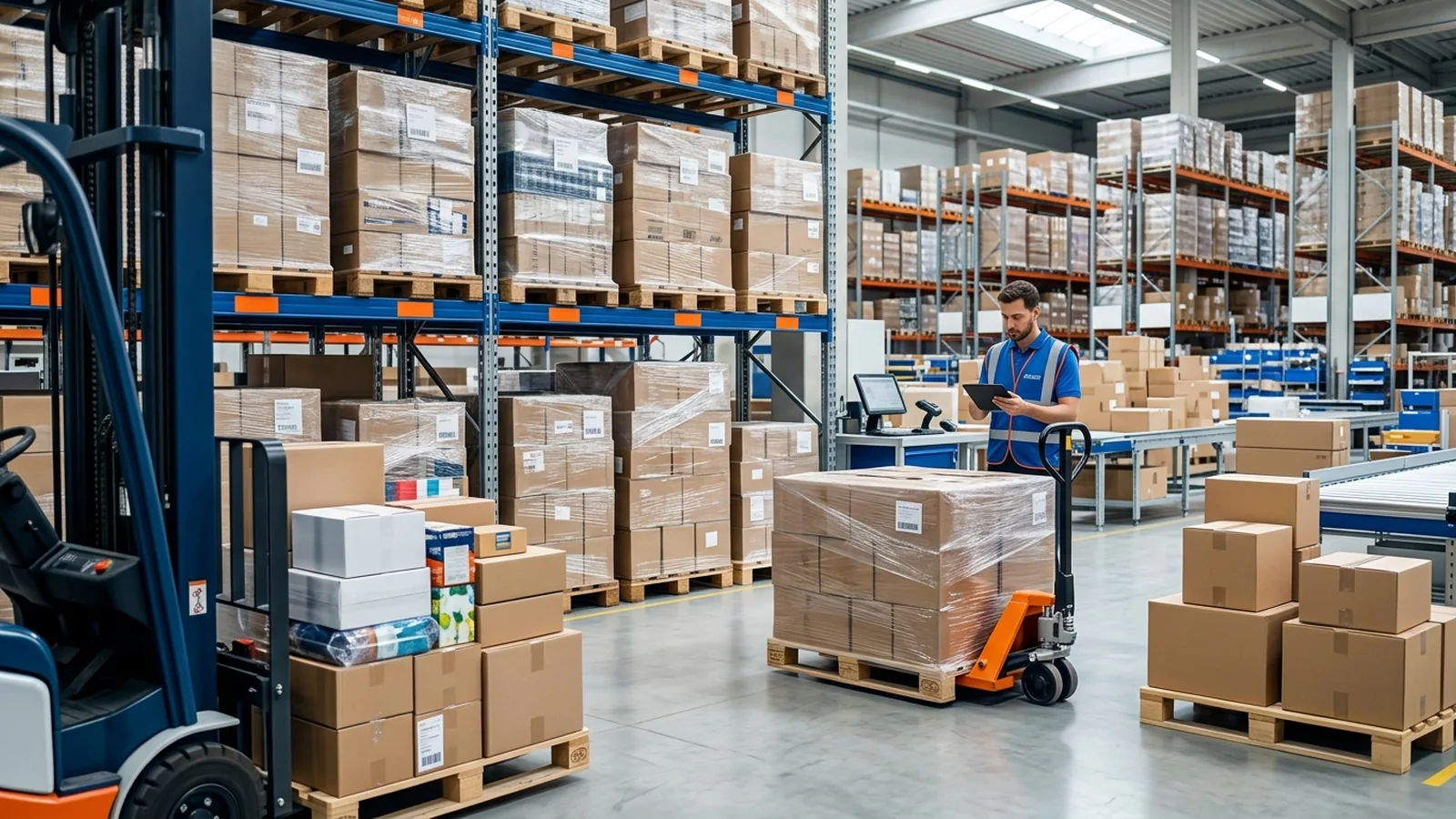
The liquidation market in India is experiencing unprecedented growth as retailers, manufacturers, and distributors seek efficient ways to clear excess inventory while savvy entrepreneurs discover lucrative opportunities in reselling. Selling liquidation products online has emerged as one of the most accessible and profitable business models for small retailers, resellers, and entrepreneurs looking to enter the ecommerce space with minimal investment. Whether you're a first-time seller or an experienced retailer looking to diversify your product portfolio, understanding how to source, price, and market liquidation inventory can transform your business trajectory.
Unlike traditional retail models that require substantial upfront capital and long-term supplier relationships, liquidation reselling allows you to purchase quality merchandise at deep discounts—often 50-80% below wholesale prices. This significant cost advantage, combined with the explosive growth of online marketplaces and changing consumer shopping habits, creates an ideal environment for building a sustainable ecommerce business. However, success in selling liquidation products online requires more than simply buying cheap and selling high; it demands strategic sourcing, market understanding, operational efficiency, and customer-centric practices.
This comprehensive guide walks you through every aspect of building a profitable liquidation reselling business in India, from understanding market dynamics and sourcing quality inventory to implementing effective pricing strategies and scaling operations. Whether you plan to sell on established marketplaces or build your own ecommerce store, these proven strategies will help you navigate challenges and capitalize on opportunities in this dynamic sector.
Understanding the Liquidation Market in India
The liquidation market encompasses various types of excess inventory that manufacturers, retailers, and distributors need to clear quickly. Understanding these different categories helps you identify the best opportunities for your business model and risk tolerance.
Types of liquidation inventory include overstock items (excess production or seasonal merchandise), customer returns (products returned for various reasons), shelf-pulls (items removed from retail shelves for repackaging or minor damage), closeouts (discontinued product lines), and surplus stock (warehouse clearances). Each category presents different price points, quality levels, and profit potential. Overstock typically offers the highest quality and consistency, while customer returns require more inspection and sorting but can yield exceptional margins when handled properly.
The Indian liquidation market has matured significantly in recent years, driven by the rapid expansion of ecommerce, increasing consumer returns, and growing awareness among traditional retailers about efficient inventory management. Major retailers and online platforms regularly liquidate substantial volumes of merchandise, creating consistent supply for resellers. Regional variations exist, with metropolitan areas offering more diverse inventory options while tier-2 and tier-3 cities often provide better pricing due to lower competition.
Market dynamics favor prepared sellers who understand seasonal patterns, consumer demand cycles, and category-specific trends. Electronics and gadgets see consistent demand year-round with peak seasons around festivals, while fashion and apparel follow seasonal trends requiring careful timing. Home and kitchen products experience steady demand with spikes during wedding seasons and festivals. By aligning your procurement strategy with these patterns, you can optimize inventory turnover and minimize holding costs.
Getting Started with Liquidation Reselling
Launching your liquidation reselling business requires careful planning and strategic decision-making across several key areas. The barriers to entry are relatively low compared to traditional retail, but success depends on laying the right foundation.
Initial Investment and Capital Planning
One of the most attractive aspects of selling liquidation products online is the flexibility in initial investment. You can start small with as little as ₹25,000-₹50,000 and scale gradually as you learn the business. Your initial capital should cover inventory purchase, basic business registration, packaging supplies, and a small marketing budget. Many successful liquidation sellers started with single-pallet purchases, reinvesting profits to grow their inventory base organically.
Consider allocating your budget strategically: 60-70% for inventory acquisition, 10-15% for business setup and licenses, 10-15% for packaging and shipping supplies, and 5-10% for initial marketing and listing optimization. Maintain a cash reserve for handling returns, damaged inventory, or unexpected opportunities. As you grow, reinvest 40-50% of profits back into inventory to accelerate expansion while maintaining healthy cash flow.
Essential Business Setup
Proper business registration and compliance form the foundation of a sustainable liquidation business. Register for GST, as most liquidation suppliers and marketplaces require it for bulk purchases. Consider registering as a sole proprietorship initially, then transitioning to a private limited company as you scale. Obtain relevant licenses based on your product categories—FSSAI for food products, BIS certifications for electronics, and any state-specific requirements.
Set up professional infrastructure including a dedicated business bank account for clean financial tracking, accounting software for expense and revenue management, and inventory management tools (even simple spreadsheets initially). Create a designated storage space with proper organization systems for receiving, inspecting, and storing inventory. Even a small dedicated room can work for initial operations, but ensure climate control for sensitive products and security for valuable inventory.
Developing Your Business Model
Successful liquidation sellers typically focus on specific niches rather than trying to sell everything. Specialization builds expertise, streamlines operations, and establishes reputation within particular product categories. Consider factors like your personal interests, available storage space, shipping complexity, return rates, and profit margins when choosing your niche.
Popular liquidation categories for Indian resellers include:
- Consumer electronics: High margins, consistent demand, but requires technical knowledge and careful quality checks
- Fashion and apparel: Large market, seasonal opportunities, style expertise needed, higher return rates
- Home and kitchen: Steady demand, lower return rates, varying size and shipping costs
- Beauty and personal care: Good margins, expiry date management critical, growing market segment
- Toys and baby products: Seasonal peaks, safety compliance important, emotional purchase decisions
- Sports and fitness: Growing category, size variations, quality differentiation important
Sourcing Quality Liquidation Inventory
The foundation of successful liquidation reselling is sourcing quality inventory at the right prices. Your ability to consistently find profitable deals directly impacts your margins and business sustainability.
Finding Reliable Liquidation Suppliers
India's liquidation supply chain includes several key sources, each with distinct advantages. B2B liquidation marketplaces like DealsGoKart aggregate inventory from multiple suppliers, providing variety, transparency, and buyer protection. These platforms verify sellers, provide detailed manifests, and often allow inspection before purchase. Direct manufacturer liquidation offers the highest quality and best pricing but requires established relationships and larger minimum orders.
Retail liquidation programs from major chains provide consistent, brand-name inventory, though competition can be intense. Distributor and wholesaler excess inventory often yields good deals on slower-moving items that are still high quality. Import liquidation from international sources can offer unique products but involves additional complexity around customs, duties, and shipping.
When evaluating suppliers, prioritize transparency in product descriptions, clear return and refund policies, verifiable business credentials, consistent inventory availability, and responsive communication. Start with smaller test orders to verify quality before committing to larger purchases. Build relationships with 3-5 reliable suppliers to ensure consistent inventory flow while maintaining negotiating leverage.
Evaluating Liquidation Lots
Not all liquidation inventory offers equal value. Developing the skill to quickly assess lot quality and profitability separates successful resellers from those who struggle. Request detailed manifests listing quantities, brands, conditions, and SKUs. Understand condition grades: "new" means unused with original packaging, "like new" indicates returns in perfect condition, "open box" suggests returned items possibly missing accessories, and "salvage" refers to damaged items for parts or repair.
Calculate the potential return using this formula: estimate the realistic selling price based on market research, multiply by expected sell-through rate (typically 60-85% for quality lots), subtract all costs including purchase price, marketplace fees (15-25%), shipping costs, packaging, and returns (budget 5-15%). The remaining figure should provide at least 30-40% return on investment to justify the effort and risk.
| Inventory Type | Typical Discount | Quality Consistency | Ideal For |
|---|---|---|---|
| Overstock/Surplus | 40-60% off wholesale | High | Beginners, consistent sales |
| Shelf Pulls | 50-70% off wholesale | Medium-High | Repackaging capability |
| Customer Returns | 60-80% off wholesale | Medium | Experienced sellers, testing capacity |
| Closeouts | 50-75% off wholesale | High | Quick liquidation, seasonal sellers |
| Salvage/Damaged | 70-90% off wholesale | Low-Medium | Repair skills, parts reselling |
Inspection and Quality Control
Implementing rigorous quality control processes protects your reputation and minimizes returns. Upon receiving inventory, inspect each item systematically: verify quantities against manifests, check product functionality (especially electronics), examine packaging condition, identify missing components or accessories, and grade items accurately for listing purposes.
Create standardized inspection checklists for different product categories to ensure consistency. Photograph any discrepancies immediately and communicate with suppliers while claims are fresh. Segregate inventory by condition into bins or zones: ready to list, needs minor repair/cleaning, missing components, and unsellable/return to supplier. This organization streamlines listing processes and prevents mixing different condition items.
For electronics and appliances, invest in basic testing equipment and develop testing protocols. For apparel, check for stains, tears, missing buttons, and accurate sizing. Beauty products require expiry date verification and seal integrity checks. Document your inspection process with photos, as this evidence proves valuable if customer disputes arise or supplier claims are necessary.
Pricing Strategies for Maximum Profit
Pricing liquidation products requires balancing competitive market rates with healthy profit margins. Unlike traditional retail with manufacturer-suggested prices, liquidation reselling demands dynamic pricing strategies that respond to market conditions, inventory levels, and sales velocity.
Competitive Price Research
Before listing products, conduct thorough market research to understand current pricing landscapes. Check prices on major platforms like Amazon, Flipkart, Meesho, and other channels where your target customers shop. Use price tracking tools and browser extensions to monitor price fluctuations over time. Analyze competitor listings for similar condition products, noting their shipping terms, return policies, and seller ratings which all influence perceived value.
Consider the complete competitive picture: high-volume sellers often price aggressively to maintain sales velocity, while smaller sellers might price higher but offer superior service. Your pricing should reflect your unique value proposition—whether that's faster shipping, better customer service, more detailed product information, or bundling options. Don't automatically price at the lowest market level; instead, price competitively while emphasizing your differentiators.
Margin Calculation and Pricing Models
Successful liquidation sellers track all costs meticulously to ensure sustainable margins. Your all-in cost includes the purchase price per unit, inbound shipping to your location, marketplace or platform fees (typically 15-25%), payment processing fees (2-3%), packaging materials, outbound shipping costs, return and refund provisions (budget 5-15% of sales), storage costs if applicable, and opportunity cost of capital.
Apply different pricing strategies based on your objectives. Keystone pricing (doubling your cost) provides healthy margins but may not always be competitive for liquidation products. Value-based pricing sets prices according to perceived customer value rather than cost, working well for unique or high-demand items. Competitive pricing matches or slightly undercuts market leaders, useful for commodity products where differentiation is minimal. Dynamic pricing adjusts based on demand, inventory levels, and seasonality, maximizing revenue across product lifecycles.
A practical approach many successful liquidation sellers use: calculate your minimum acceptable price (MAP) that covers all costs plus minimum profit, set your target price that provides desired margin, and establish your maximum price based on value and competition. List at target price, run promotions down to MAP, and adjust based on sell-through rates. If products aren't moving within 30-45 days at MAP, consider bundling, different channels, or accepting breakeven to free up capital.
Promotional Pricing and Bundles
Strategic promotions accelerate inventory turnover and attract customers without permanently devaluing products. Limited-time discounts create urgency—offer 10-20% off for 24-48 hours to generate quick sales. Bulk discounts encourage larger purchases: "Buy 2 Get 10% Off" or "Buy 3 Get 20% Off" increases average order value while moving inventory faster. Seasonal promotions aligned with festivals, holidays, or seasonal needs capture timely demand at premium pricing.
Product bundling is particularly effective for liquidation inventory, allowing you to combine slower-moving items with popular products. Create logical bundles that provide genuine value: complementary products (phone case with screen protector), variety packs (assorted colors or sizes), or problem-solution bundles (complete outfit combinations). Price bundles at 15-25% less than individual item totals to incentivize purchase while maintaining overall margins.
Choosing the Right Sales Channels
Where you sell liquidation products significantly impacts your profitability, workload, and growth potential. Most successful liquidation businesses employ a multi-channel strategy to maximize reach while diversifying risk.
Online Marketplace Platforms
Established marketplaces offer immediate access to massive customer bases but charge significant fees and impose strict requirements. Amazon India provides unparalleled reach, customer trust, and fulfillment infrastructure through FBA (Fulfilled by Amazon), though fees can reach 20-30% and competition is intense. Flipkart offers similar advantages with slightly lower fees in some categories and strong presence in tier-2 and tier-3 cities. Meesho has emerged as an excellent platform for liquidation sellers, particularly for apparel and home goods, with social commerce integration and lower barriers to entry.
Each platform has distinct requirements and fee structures. Factor in commission fees, shipping fees (if not using fulfillment services), payment processing charges, advertising costs to maintain visibility, and potential penalties for policy violations or negative metrics. Despite costs, marketplaces solve critical challenges for new sellers: customer acquisition, payment processing, logistics infrastructure, and trust building. Start with one or two platforms to learn their systems before expanding.
Building Your Own Ecommerce Store
An independent ecommerce website provides complete control, higher margins, and direct customer relationships. Platforms like Shopify, WooCommerce, or Indian solutions like Zepo and Instamojo make setup relatively straightforward. Your own store eliminates marketplace fees (saving 15-25%), allows complete branding control, enables direct customer data collection for remarketing, and provides pricing flexibility without platform restrictions.
However, independent stores require more upfront effort and expertise. You must drive your own traffic through SEO, social media marketing, and paid advertising. Payment gateway setup, security compliance, and technical maintenance become your responsibility. Customer trust building takes longer without marketplace backing. This channel works best as a complement to marketplace sales once you've established some revenue and expertise, not typically as the primary starting point for new liquidation sellers.
Social Commerce and Direct Selling
WhatsApp Business, Facebook Marketplace, and Instagram Shopping have democratized selling, requiring minimal technical setup. These channels excel for building local customer bases, sharing quick deals and new inventory arrivals, and creating personal relationships that drive repeat purchases. The conversational nature allows you to answer questions, negotiate prices, and provide personalized service that differentiates you from impersonal marketplace listings.
Social selling works particularly well for certain liquidation categories like fashion, accessories, home decor, and lifestyle products where visual appeal drives purchases. Build a content strategy around your products: post new arrivals, share customer reviews and photos, create styling or usage suggestions, and run flash sales exclusively for social followers. The key is consistency—regular posting maintains engagement and top-of-mind awareness when customers are ready to purchase.
Multi-Channel Strategy Implementation
The most resilient liquidation businesses sell across multiple channels, leveraging each platform's strengths while mitigating individual weaknesses. A typical progression might start with one marketplace to generate initial revenue and learn operations, then add a second marketplace to diversify traffic sources, build social media presence for brand awareness and direct sales, and eventually launch an independent website for highest-margin sales and customer data ownership.
Multi-channel selling requires robust inventory management to prevent overselling and maintain accurate stock levels across platforms. Use inventory management software or spreadsheet systems that update in real-time. Standardize your product photography, descriptions, and specifications for easy replication across channels. Create channel-specific pricing strategies that account for different fee structures while avoiding customer confusion if they find you on multiple platforms.
Marketing Your Liquidation Products Effectively
Even the best-priced liquidation inventory won't sell without effective marketing. Building awareness, trust, and demand requires strategic effort across multiple marketing channels.
Product Listing Optimization
Your product listings are your primary sales tool online. Invest time creating compelling, detailed listings that convert browsers into buyers. Write clear, descriptive titles that include brand, product type, key features, and condition. Use all available characters while maintaining readability—"Samsung Galaxy Buds Pro Wireless Earbuds, Active Noise Cancellation, Phantom Black, Like New Open Box" works better than "Samsung Earbuds Black."
Product descriptions should provide comprehensive information while addressing common customer questions and concerns. Include specifications and features, condition details with honest disclosure of any imperfections, usage instructions or care tips, what's included in the package, and return policy information. Use bullet points for scannability and paragraphs for storytelling. For liquidation products, transparency about condition builds trust—customers appreciate honesty over discovering issues after purchase.
Photography dramatically impacts conversion rates. Use clear, high-resolution images showing multiple angles, include close-ups of any damage or wear for used items, show the product in use or scale context, photograph all included accessories and packaging, and maintain consistent lighting and backgrounds across listings. Even smartphone photos work well if properly lit and composed. The investment in a basic photography setup—simple backdrop, lighting kit, and tripod—pays for itself in improved conversion rates.
Search Engine Optimization for Ecommerce
If you operate your own ecommerce store, SEO drives free, qualified traffic. Research keywords customers use when searching for your products—include brand names, product types, use cases, and problem solutions. Optimize product pages with keywords in titles, URLs, descriptions, image alt text, and meta descriptions without stuffing. Create category pages and buying guides that target informational searches related to your product categories.
Build content around your liquidation niche. Blog posts like "How to Choose Quality Wireless Earbuds Under ₹2000" or "Top 10 Kitchen Appliances for Small Apartments" attract potential customers while establishing expertise. Link these content pages to relevant product listings. Over time, this content compounds, driving increasing organic traffic without ongoing advertising costs.
Paid Advertising Strategies
Strategic paid advertising accelerates growth while organic efforts build momentum. Marketplace advertising on Amazon, Flipkart, or Meesho places your products prominently in search results and related product displays. Start with small budgets (₹100-500 daily), target your best-selling or highest-margin products, and optimize campaigns based on conversion data rather than just clicks.
Social media advertising through Facebook and Instagram reaches potential customers based on demographics, interests, and behaviors. Create visually appealing ads showcasing your products' value and competitive pricing. Use retargeting to reach people who visited your listings but didn't purchase. Google Shopping ads appear when customers search for specific products, capturing high-intent traffic. These require product feed optimization but can deliver excellent ROI for competitive product categories.
Track advertising performance religiously. Calculate actual cost per acquisition (total ad spend divided by conversions), compare to customer lifetime value, and pause or optimize underperforming campaigns. Many liquidation sellers find that 5-10% of revenue invested in advertising provides optimal growth without sacrificing profitability.
Building Customer Loyalty
Acquiring new customers costs significantly more than retaining existing ones. Implement strategies to encourage repeat purchases from satisfied customers. Provide exceptional customer service that exceeds marketplace standards, respond quickly to inquiries and issues, and follow up after delivery to ensure satisfaction. Package products professionally with thank-you notes and care instructions that create memorable unboxing experiences.
Capture customer information (where platform policies allow) for email marketing. Send newsletters featuring new inventory arrivals, exclusive deals for repeat customers, and helpful content related to products they've purchased. Create a loyalty program offering discounts or early access to new inventory for repeat buyers. Even simple gestures like remembering customer preferences and providing personalized recommendations build relationships that transcend transactional marketplace interactions.
Legal and Compliance Considerations
Operating a legitimate, compliant liquidation business protects you from legal issues and builds customer trust. Understanding and following regulations isn't optional—it's fundamental to sustainable business operations.
Business Registration and Tax Compliance
GST registration is mandatory for most liquidation sellers, particularly those purchasing from registered suppliers or selling on major marketplaces. Register under the appropriate business structure (sole proprietorship, partnership, or company) based on your scale and growth plans. Maintain meticulous records of all purchases with proper tax invoices, sales with corresponding invoices, and expenses with supporting documentation. File GST returns regularly and pay applicable taxes on time to avoid penalties and maintain good standing.
Understand tax implications specific to liquidation and resale businesses. Input tax credit (ITC) allows you to offset GST paid on purchases against GST collected on sales, significantly impacting your net tax liability. Keep inventory records that clearly track purchase costs, sales prices, and applicable taxes. Consider engaging a chartered accountant familiar with ecommerce businesses to ensure compliance and optimize tax efficiency, especially as you scale operations.
Product-Specific Regulations
Different product categories carry specific regulatory requirements. Electronics and electrical items may require BIS (Bureau of Indian Standards) certification. Food products need FSSAI registration and proper labeling with ingredients, nutrition information, and expiry dates. Beauty and cosmetics require adherence to Drugs and Cosmetics Act regulations. Toys must meet safety standards to protect children. Research requirements for your specific product categories and ensure suppliers provide necessary certifications and documentation.
When sourcing liquidation inventory, verify that products meet Indian regulatory standards, even if they're overstock or returns. Selling non-compliant products exposes you to legal liability, marketplace account suspension, and reputational damage. If sourcing imported goods, ensure proper customs clearance and that products meet Indian specifications (voltage requirements, language labeling, etc.).
Consumer Protection and Return Policies
The Consumer Protection Act provides customers with clear rights regarding product quality, accurate descriptions, and return options. Even when selling liquidation or "as-is" products, you must describe condition accurately, honor stated return policies, and resolve disputes fairly. Marketplace platforms enforce these requirements strictly, with violations leading to account suspension or termination.
Create clear, customer-friendly return and refund policies. While you needn't accept returns on all liquidation products (especially clearly disclosed as-is items), providing reasonable return options builds trust and reduces disputes. Typical policies allow 7-14 day returns for items not as described or defective, with customers responsible for return shipping on buyer's remorse returns. Document product condition thoroughly at listing time to protect against fraudulent return claims.
Intellectual Property Considerations
Selling authentic branded liquidation products is legal under the doctrine of first sale—once a genuine product is sold initially, subsequent owners can resell it. However, ensure products are authentic, not counterfeit, obtained through legitimate channels with proper documentation, and not subject to any contractual restrictions on resale. Don't claim to be an authorized dealer, official retailer, or offer manufacturer warranties unless you actually have those relationships.
Avoid using brand trademarks in misleading ways in your advertising or business name. Describing products accurately ("Genuine Samsung Galaxy Earbuds") is fine, but naming your business to imply official brand affiliation when none exists violates trademark law. When photographing products, use your own images rather than copying manufacturer photos without permission. These practices protect you from IP infringement claims while maintaining ethical business standards.
Scaling Your Liquidation Business
Once you've established profitable operations, strategic scaling increases revenue and builds a more valuable business. However, growth requires careful planning to avoid common pitfalls that trap expanding liquidation sellers.
Operational Scaling
As order volume increases, streamline operations to maintain efficiency. Implement inventory management systems that track stock levels, automate reorder points, and integrate with your sales channels. Batch similar tasks—photograph all new inventory in one session, create listings in focused blocks, and ship orders at scheduled times rather than individually as they arrive. Standard operating procedures for receiving, inspecting, listing, and shipping ensure consistency and enable delegation as you hire help.
Invest in proper infrastructure before constraints limit growth. Upgrade to larger storage space when inventory exceeds current capacity by 70-80%. Implement rack systems and organization tools that maximize vertical space and enable quick product location. Consider fulfillment services like Amazon FBA or third-party logistics providers when daily shipping becomes too time-consuming. These services cost money but free your time for higher-value activities like sourcing and strategy.
Financial Scaling
Growth requires capital for larger inventory purchases, but financing expansion sustainably prevents cash flow crises. Reinvest 40-60% of profits back into inventory while retaining reserves for emergencies and opportunities. Track key financial metrics weekly: gross margin per category, inventory turnover rate (aim for 4-6 turns annually), cash conversion cycle, and return on investment for different suppliers and product categories.
As you scale, consider business financing options. Trade credit from established suppliers allows purchasing inventory with 30-60 day payment terms, though this requires building relationships and payment history. Business loans from banks or NBFCs provide capital for larger purchases, with working capital loans suited for inventory needs. Invoice discounting uses pending marketplace payments as collateral for immediate cash. Evaluate financing costs against profit margins to ensure borrowed money generates returns exceeding interest costs.
Team Building and Delegation
Solopreneurs hit ceiling points where one person can't handle all operations. Hire strategically to overcome specific bottlenecks rather than general expansion. Your first hire might be part-time help for packing and shipping, freeing you for sourcing and customer service. Next, consider virtual assistants for customer inquiries, listing creation, and administrative tasks. As you continue growing, full-time employees or specialists in procurement, marketing, or operations become worthwhile investments.
Document processes thoroughly before delegating them. Create checklists, video tutorials, and standard operating procedures for every repeated task. This documentation ensures consistency regardless of who performs the work and accelerates new employee training. Start delegating lower-value tasks first (packing, basic customer service) while retaining control of high-value activities (supplier relationships, financial decisions, strategy) until trust and systems are established.
Expanding Product Lines and Markets
Strategic expansion into new categories or markets multiplies revenue streams while diversifying risk. Add complementary product categories that leverage existing expertise and infrastructure—if you sell electronics accessories, expanding into small electronics is easier than jumping to apparel. Test new categories with small pilot purchases before major commitments, using existing customer base and channels to validate demand.
Geographic expansion within India opens new customer segments. If you've built success selling primarily in urban markets through marketplaces, consider tier
Frequently asked questions
Yes, selling liquidation products online can be highly profitable in India when done strategically. Retailers typically purchase liquidation inventory at 30-70% below wholesale prices, allowing substantial profit margins. Success depends on sourcing quality products, understanding market demand, effective pricing, and choosing the right sales channels.
Ready to source smarter?
Ready to start your profitable liquidation reselling journey? Explore thousands of verified liquidation lots on DealsGoKart today and source quality inventory at unbeatable prices.