
How to Start a Liquidation Business in India (2024 Guide)
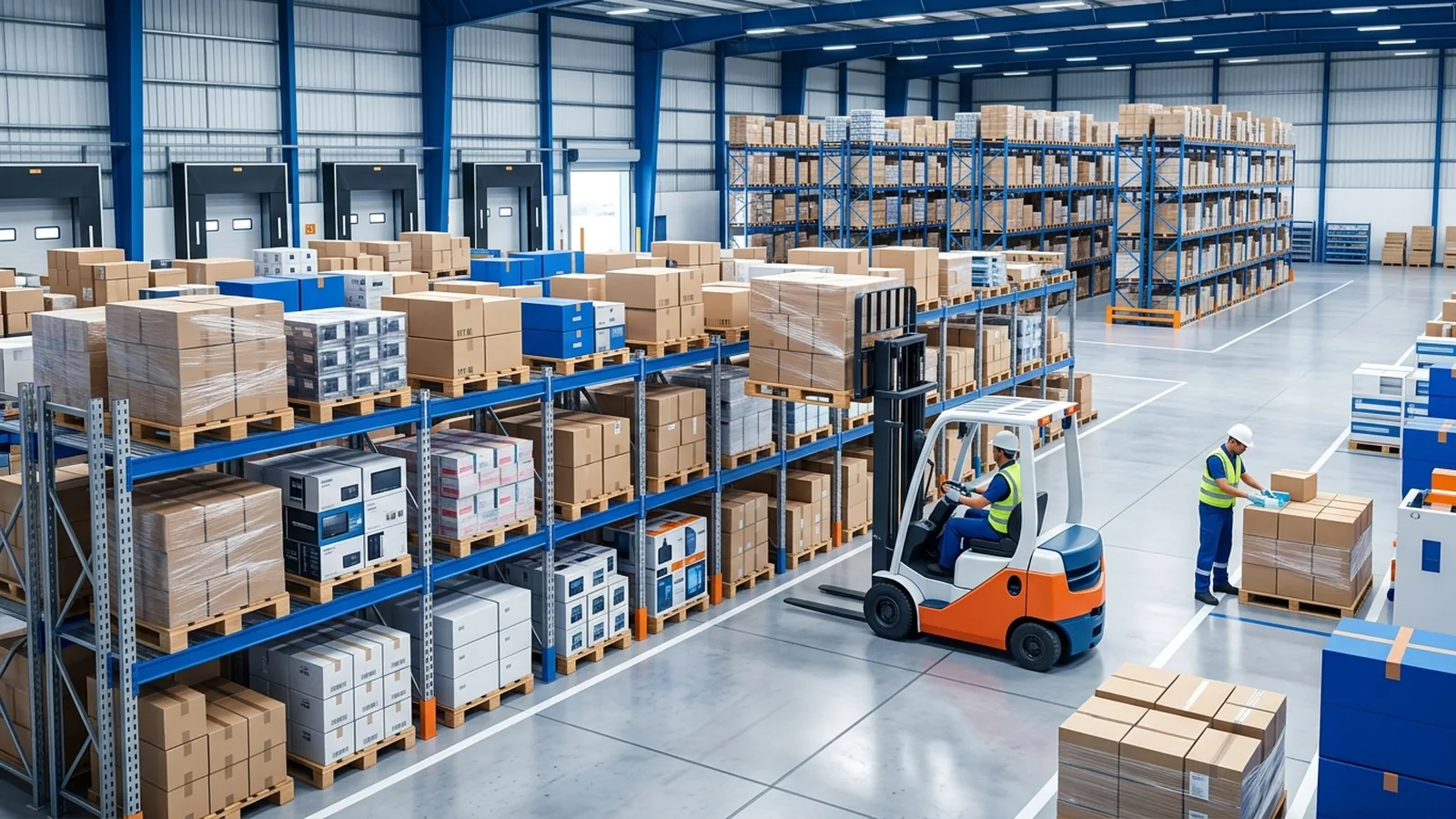
The liquidation business model has emerged as one of the most accessible and profitable entrepreneurial opportunities in India's rapidly growing retail ecosystem. Every day, manufacturers, retailers, and e-commerce platforms generate massive quantities of surplus inventory, customer returns, overstock, and closeout merchandise that must be moved quickly. This creates a lucrative opportunity for savvy entrepreneurs who can acquire these products at deep discounts and resell them through various channels at healthy profit margins.
Whether you're an experienced retailer looking to diversify your revenue streams or a first-time entrepreneur seeking a business with relatively low barriers to entry, the liquidation industry offers compelling advantages. With the right strategies for sourcing, pricing, and distribution, you can build a sustainable business that serves the growing demand for value-oriented products across India. This comprehensive guide will walk you through every essential step to successfully start and scale your liquidation business.
From understanding the fundamentals and navigating legal requirements to mastering inventory sourcing and optimizing your profit margins, you'll gain actionable insights that can transform this opportunity into a thriving enterprise. Let's explore how you can tap into this dynamic market and establish your position in India's expanding liquidation ecosystem.
What Is a Liquidation Business?
A liquidation business involves purchasing excess, returned, discontinued, or surplus merchandise from manufacturers, retailers, or wholesalers at significantly reduced prices—often 40-80% below wholesale—and reselling these products for profit. Unlike traditional retail that relies on standard wholesale channels, liquidation entrepreneurs acquire inventory that businesses need to clear quickly due to various operational reasons.
The liquidation supply chain serves a critical function in the broader retail ecosystem. When companies face excess inventory from overproduction, seasonal transitions, product discontinuations, or customer returns, holding these products ties up valuable capital and warehouse space. Rather than dispose of perfectly sellable merchandise, businesses liquidate through specialized channels, creating opportunities for resellers who can find new markets for these products.
As a liquidation business owner, you act as an intermediary, acquiring merchandise in bulk lots or pallets and distributing it through various sales channels including online marketplaces, physical retail stores, flea markets, export, or wholesale to other retailers. The key to profitability lies in your ability to evaluate inventory quality, negotiate favorable purchase prices, and efficiently move products to end consumers or other businesses.
Why Start a Liquidation Business in India?
India's retail landscape is undergoing tremendous transformation, creating unprecedented opportunities in the liquidation sector. Several compelling factors make this an ideal time to start a liquidation business:
Growing E-Commerce and Return Volumes
India's e-commerce market continues to expand exponentially, with online retail projected to reach $350 billion by 2030. This growth generates massive volumes of customer returns—typically 15-30% of online purchases—creating a steady supply of liquidation inventory. These return pallets often contain perfectly functional products that simply didn't meet customer expectations or had minor cosmetic issues, presenting excellent reselling opportunities.
Lower Capital Requirements
Compared to traditional retail businesses that require significant investment in inventory at standard wholesale prices, liquidation businesses can start with substantially lower capital. Since you're purchasing at deep discounts, your initial inventory investment goes further, allowing you to stock more variety or maintain higher cash reserves for operational flexibility.
High Profit Margin Potential
The fundamental economics of liquidation are compelling. Purchasing inventory at 20-40% of retail value and reselling at 50-70% of retail creates profit margins that traditional retail simply cannot match. Many experienced liquidation entrepreneurs consistently achieve 50-100% return on inventory investment, sometimes higher for specific categories or finds.
Diverse Supply and Demand
India's manufacturing sector produces vast quantities of surplus and overstock across virtually every product category. Simultaneously, the country's price-conscious consumer base actively seeks quality products at discounted prices, creating strong demand for liquidated merchandise. This supply-demand dynamic supports sustainable business growth.
Multiple Sales Channel Options
Modern liquidation businesses aren't limited to a single sales model. You can sell through online marketplaces, build your own e-commerce website, operate physical retail locations, supply to other retailers, export to international markets, or combine multiple channels for diversified revenue streams.
Creating Your Liquidation Business Plan
Like any successful venture, starting a liquidation business requires thoughtful planning and strategic decision-making. Your business plan will serve as your roadmap, helping you navigate challenges and capitalize on opportunities.
Define Your Niche and Product Focus
While some liquidation businesses operate as generalists, most successful entrepreneurs focus on specific product categories where they can develop expertise and competitive advantages. Consider these factors when selecting your niche:
- Personal knowledge and interest: Categories you understand well allow better quality assessment and pricing decisions
- Market demand: Research what products sell consistently in your target markets
- Competition levels: Less saturated niches may offer better margins
- Storage and handling requirements: Some products need climate control, special handling, or extensive space
- Regulatory considerations: Certain categories have licensing or compliance requirements
- Seasonality: Understand how seasonal fluctuations affect different product categories
Popular liquidation categories in India include electronics and accessories, apparel and fashion, home and kitchen goods, toys and games, beauty and personal care, sporting goods, and tools and hardware. Each category has distinct characteristics regarding sourcing, storage, and sales dynamics.
Determine Your Business Model
Your operational approach will significantly impact your capital requirements, logistics, and scaling potential. Common liquidation business models include:
| Business Model | Description | Capital Need | Best For |
|---|---|---|---|
| Online Reseller | Purchase liquidation lots and resell individual items through e-commerce platforms | Low to Medium | Beginners, home-based startups |
| Wholesale Distributor | Buy large quantities and resell in bulk to other retailers or businesses | Medium to High | Those with industry connections |
| Retail Store | Operate physical discount retail locations selling liquidated products | High | Established entrepreneurs with retail experience |
| Hybrid Model | Combine online and offline sales channels | Medium to High | Scalable growth-focused businesses |
| Export Specialist | Source Indian liquidation inventory for international markets | Medium | Those with export knowledge and contacts |
Financial Planning and Budgeting
Develop realistic financial projections covering your startup costs and ongoing operational expenses. Typical startup costs include:
- Initial inventory purchase (typically your largest expense)
- Business registration and licensing fees
- Warehouse or storage space deposit and first month's rent
- Shelving, bins, and organizational equipment
- Packaging and shipping materials
- Technology (computer, inventory management software, point-of-sale system)
- Marketing and branding materials
- Working capital for the first 3-6 months
Most liquidation businesses can launch with ₹1-5 lakhs, though you can start smaller with focused online reselling or scale larger with wholesale operations. The key is maintaining sufficient cash flow to purchase inventory consistently while covering operational expenses during your ramp-up period.
Legal Requirements and Registration
Establishing your liquidation business on proper legal footing protects you from complications and enables professional growth. Here are the essential registrations and compliance requirements:
Business Structure Registration
Select and register your business entity based on your scale and growth plans:
- Sole Proprietorship: Simplest structure, ideal for individual entrepreneurs starting small, minimal compliance requirements
- Partnership: Suitable when starting with co-founders, requires partnership deed registration
- Limited Liability Partnership (LLP): Offers liability protection with relatively simple compliance, popular for small to medium businesses
- Private Limited Company: Best for serious growth plans, highest credibility, more complex compliance
GST Registration
Goods and Services Tax (GST) registration is mandatory for most liquidation businesses, especially those engaged in interstate trade or exceeding annual turnover thresholds. GST registration allows you to purchase inventory from registered suppliers with input tax credit benefits and demonstrates legitimacy to vendors and buyers. The registration process is completed online through the GST portal with required documents including PAN, Aadhaar, business address proof, and bank account details.
Additional Licenses and Permits
Depending on your location and product categories, you may need:
- Trade license or shop establishment license from local municipal authorities
- FSSAI registration if handling food, beverages, or nutritional products
- Import Export Code (IEC) if planning international trade
- Brand authorization letters when dealing with branded products
- Environmental clearances for specific product categories
Banking and Financial Setup
Open a dedicated current account for your business to maintain clear financial separation. This simplifies accounting, builds business credit history, and appears more professional to suppliers and customers. Additionally, consider setting up digital payment acceptance through UPI, payment gateways, and business payment apps to facilitate seamless transactions.
How to Source Liquidation Inventory
Your ability to consistently source quality inventory at favorable prices directly determines your profitability. Successful liquidation entrepreneurs develop multiple reliable sourcing channels and build strong supplier relationships.
B2B Liquidation Marketplaces
Online B2B platforms have revolutionized liquidation sourcing by providing transparent access to diverse inventory from verified sellers. Platforms like DealsGoKart's liquidation catalog connect buyers with manufacturers, retailers, and wholesalers offering surplus stock, customer returns, overstock, and closeout merchandise across numerous categories.
Advantages of B2B marketplaces include transparent pricing and conditions, detailed product manifests and photos, buyer reviews and seller ratings, convenient comparison shopping, and often buyer protection policies. When evaluating listings on any B2B wholesale marketplace, carefully review the manifest, condition grades, minimum order quantities, and seller ratings before committing to purchases.
Direct Manufacturer Relationships
Establishing relationships directly with manufacturers can provide access to first-quality surplus, production overruns, and discontinued lines. Manufacturing hubs like Tirupur for textiles, Surat for diamonds and textiles, Delhi-NCR for various consumer goods, and Ahmedabad for chemicals and pharmaceuticals regularly have surplus inventory available.
Approach manufacturers professionally with a clear business proposal, demonstrate your ability to move inventory efficiently, and be prepared to handle larger minimum order quantities. Building trust takes time, but direct relationships often yield the best quality-to-price ratios.
Retail Chain Liquidations
Large retail chains periodically liquidate seasonal merchandise, customer returns, shelf-pulls, and store closure inventory. These liquidations typically happen through specialized liquidation events, auction houses, or dedicated liquidation divisions. Network with retail procurement teams and join industry associations to learn about upcoming opportunities.
E-Commerce Return Pallets
The growth of e-commerce has created a substantial secondary market for customer returns. Major online marketplaces sell return pallets containing mixed merchandise from various categories. While these lots can be profitable, they require careful evaluation of return rates, product conditions, and potential defects.
Import Surplus and Overstock
International suppliers occasionally have surplus intended for Indian markets or general export overstock that can be acquired at attractive prices. If pursuing this channel, ensure compliance with import regulations, customs duties, and product certification requirements.
Sourcing Best Practices
Regardless of your sourcing channel, follow these best practices to protect your investment:
- Always request detailed manifests listing quantities, brands, and conditions
- Start with smaller test orders before committing to large purchases
- Inspect inventory personally when possible, especially for high-value lots
- Understand grading systems (new, refurbished, returns, salvage) and adjust pricing accordingly
- Calculate total landed costs including shipping, handling, and any processing fees
- Verify seller credentials and check reviews from other buyers
- Maintain relationships with multiple suppliers to ensure consistent inventory flow
- Track performance of different suppliers and sources to optimize your sourcing strategy
Pricing and Profit Margin Strategies
Effective pricing balances competitive market positioning with healthy profit margins. Your pricing strategy should account for acquisition costs, operational expenses, market conditions, and desired profitability.
Understanding Your True Costs
Before setting prices, calculate your complete cost structure for each item or lot:
- Purchase price: What you paid the liquidation supplier
- Shipping and logistics: Transportation from supplier to your warehouse
- Processing costs: Sorting, cleaning, testing, photographing inventory
- Storage: Warehouse rent allocated per unit
- Sales channel fees: Marketplace commissions, payment processing fees
- Packaging and shipping to customer: Materials and carrier costs
- Returns and damages: Expected loss percentage
- Operating overhead: Utilities, salaries, insurance allocated per unit
This total landed cost per unit becomes your floor—you must price above this to achieve profitability.
Competitive Market Research
Research current market prices for similar products across various platforms. Check online marketplaces, local retailers, competitor pricing, and typical discount percentages in your category. This research reveals the price ceiling—what customers are willing to pay—and helps position your offerings competitively.
Margin-Based Pricing Models
Common approaches to liquidation pricing include:
- Percentage of retail: Price items at 40-60% of original retail value, adjusting for condition
- Cost-plus pricing: Add a fixed markup percentage (typically 50-150%) to your total landed cost
- Competitive pricing: Price slightly below comparable marketplace listings
- Value-based pricing: Price according to perceived customer value, especially for rare or high-demand items
- Volume discounting: Offer tiered pricing for bulk purchases to move inventory faster
Dynamic Pricing Strategies
Optimize profitability by adjusting prices based on various factors:
- Age of inventory (reduce prices on slow-moving stock)
- Seasonal demand fluctuations
- Quantity on hand (higher prices for scarce items)
- Competitor pricing changes
- Special promotions and sales events
Typical Liquidation Margins
While margins vary significantly by category and condition, successful liquidation businesses typically achieve gross margins of 40-80% on inventory costs. For example, purchasing a lot at ₹10,000 and selling it for ₹15,000-18,000 represents healthy liquidation margins. After accounting for operational expenses, net profit margins typically range from 15-35%, though exceptional deals and efficient operations can yield higher returns.
Building Your Sales Channels
Diversifying your sales channels reduces risk, expands your customer reach, and maximizes revenue potential. Most successful liquidation businesses utilize multiple channels simultaneously.
Online Marketplaces
E-commerce platforms provide immediate access to large customer bases with established trust and traffic. Popular options in India include Amazon, Flipkart, Meesho, Snapdeal, and specialized resale platforms. Each marketplace has distinct fee structures, listing requirements, and audience demographics.
Optimize your marketplace presence with clear product titles incorporating key search terms, detailed descriptions highlighting condition and features, quality photographs from multiple angles, competitive pricing with attractive discounts, and prompt customer service to maintain high seller ratings.
Your Own E-Commerce Website
Building your branded website provides complete control over customer experience, pricing, and data. While requiring more upfront investment and marketing effort, owned channels avoid marketplace commissions and enable direct customer relationships. Platforms like Shopify, WooCommerce, or custom solutions can power your online store.
Social Media Commerce
Facebook Marketplace, Instagram Shopping, and WhatsApp Business enable direct sales through social platforms where customers already spend time. These channels work particularly well for visually appealing products and local sales where buyers can inspect items before purchase.
Wholesale to Retailers
Selling bulk quantities to other retailers, small shop owners, or market vendors can move large inventory volumes quickly. This B2B approach requires less effort per unit sold than individual consumer sales, though margins are typically lower. Develop a network of wholesale buyers through industry events, direct outreach, and B2B procurement platforms.
Physical Retail Presence
If capital allows, operating a discount retail store or participating in flea markets and trade fairs provides face-to-face sales opportunities. Physical presence builds local brand recognition and allows customers to inspect merchandise directly, though it involves higher overhead costs.
Export Opportunities
International markets sometimes offer better pricing for specific product categories. If you develop export capabilities, you can tap into global demand for Indian liquidation inventory. This requires understanding export regulations, international shipping logistics, and target market preferences.
Managing Logistics and Warehousing
Efficient logistics and warehousing operations directly impact your profitability and customer satisfaction. As your business scales, operational excellence becomes increasingly critical.
Warehouse Selection and Setup
Your storage facility should balance cost, location, and functionality. Consider proximity to suppliers and shipping hubs, accessibility for receiving and dispatching shipments, adequate space for current inventory plus growth, security features to protect merchandise, and climate control if handling sensitive products.
For small-scale operations, you might start from home or rent shared warehouse space. As you grow, dedicated warehouse space becomes necessary. Organize your warehouse with logical product categorization, clear labeling systems, efficient picking paths, designated receiving and quality control areas, and packing stations for order fulfillment.
Inventory Management Systems
Implement inventory management software early to track stock levels, purchasing history, sales data, and profitability by product. Even basic spreadsheet systems are better than no tracking, though dedicated software like Zoho Inventory, Unicommerce, or specialized liquidation software provides more robust capabilities as you scale.
Quality Control Processes
Establish systematic quality control when receiving liquidation inventory. Verify quantities against manifests, inspect product conditions and functionality, identify and segregate damaged or unsellable items, photograph representative samples for listings, and clean and repackage items when beneficial.
Shipping and Fulfillment
Develop relationships with multiple logistics providers to ensure competitive rates and reliable service. Compare pricing and service levels across courier companies, consider partnership programs for volume discounts, invest in proper packaging materials to minimize damage in transit, and implement tracking systems to monitor deliveries and handle exceptions.
For high-volume operations, third-party fulfillment services (3PL) can handle storage, packing, and shipping, freeing you to focus on sourcing and sales. Evaluate whether outsourcing makes economic sense based on your volumes and growth trajectory.
Scaling Your Liquidation Business
Once you've established profitable operations, strategic scaling can multiply your success. Growth should be systematic rather than haphazard, building on your proven strengths.
Expanding Product Categories
After mastering one product niche, gradually expand into complementary categories. This diversification reduces risk from seasonal fluctuations or category-specific challenges while potentially attracting broader customer bases. Apply lessons learned from your initial category to new products, starting with test purchases before committing significant capital.
Increasing Purchase Volumes
As your cash flow improves and you've proven your sales capabilities, negotiate larger purchases to access better per-unit pricing from suppliers. Volume discounts significantly improve margins, but ensure you have adequate storage and sales velocity to handle larger inventory quantities without excessive holding periods.
Automating Operations
Invest in technology and systems that reduce manual effort and increase efficiency. Consider inventory management software integration, automated pricing tools, multi-channel listing software, customer relationship management systems, and automated accounting and invoicing. While these tools require upfront investment, they free your time for strategic activities and reduce errors.
Building a Team
Strategic hiring enables growth beyond your personal capacity. Common early hires include warehouse staff for receiving and processing inventory, customer service representatives to handle inquiries and issues, sales personnel for B2B relationship development, and digital marketing specialists to drive online traffic. Start with part-time or contract workers before committing to full-time employees.
Developing Supplier Relationships
Your most profitable growth often comes from strengthening supplier relationships. Consistent purchasing builds trust and credibility, leading to better pricing, first access to premium lots, flexible payment terms, and insider information about upcoming liquidations. Treat suppliers as partners rather than mere vendors, paying promptly and communicating professionally.
Geographic Expansion
Once you've saturated your local market, consider geographic expansion through additional warehouse locations in new regions, partnering with local distributors in other cities, or focusing on nationwide online sales. Each approach has distinct capital requirements and operational complexities.
Vertical Integration
Some liquidation businesses eventually integrate vertically, either backward into direct manufacturing partnerships or forward into retail operations. While complex, vertical integration can capture additional margin and provide competitive advantages. Evaluate these opportunities carefully against your core competencies and capital availability.
Measuring Growth Metrics
Track key performance indicators to guide your scaling decisions:
- Inventory turnover rate (how quickly you sell through stock)
- Gross and net profit margins by category
- Customer acquisition cost versus lifetime value
- Return and defect rates by supplier
- Sales per square foot of warehouse space
- Revenue per employee (as you build your team)
Regular analysis of these metrics reveals opportunities for optimization and helps identify which growth strategies deliver the best returns on your investment.
Conclusion: Your Path to Liquidation Success
Starting a liquidation business in India offers an compelling entrepreneurial opportunity with relatively accessible entry requirements and substantial profit potential. Success in this dynamic industry requires combining strategic sourcing, efficient operations, smart pricing, and diverse sales channels. While the business model is straightforward conceptually, sustainable profitability comes from developing expertise through hands-on experience, continuous learning, and systematic refinement of your processes.
Begin your journey by thoroughly researching your target product categories and understanding your local market dynamics. Create a solid business plan with realistic financial projections and ensure you've completed all necessary legal registrations. Start conservatively with smaller inventory purchases to gain practical experience before scaling up. Focus intensely on building reliable supplier relationships and delivering exceptional value to your customers, whether they're individual consumers or wholesale buyers.
Remember that every successful liquidation business started with a single purchase and first sale. Your early challenges—learning to evaluate inventory quality, negotiating with suppliers, pricing competitively, managing logistics—become valuable experience that forms the foundation for long-term success. Stay patient during your learning phase, maintain adequate working capital to weather initial fluctuations, and remain focused on your core value proposition: providing quality products at attractive prices while maintaining healthy margins.
The Indian retail landscape continues evolving rapidly, creating ever-increasing volumes of liquidation inventory across virtually every product category. Manufacturers, retailers, and e-commerce platforms will always need efficient channels to move surplus, returns, and discontinued merchandise. By positioning yourself as a professional, reliable partner in this ecosystem, you can build a sustainable business that grows alongside India's expanding economy.
Ready to take the first step toward launching your liquidation business? Explore DealsGoKart's extensive catalog of verified liquidation lots, surplus inventory, and wholesale merchandise from trusted sellers across India. Whether you're sourcing your first test purchase or expanding your existing operations, our B2B marketplace connects you with quality inventory at competitive prices. Contact our team to learn how DealsGoKart can support your liquidation business journey, or start browsing available liquidation lots today to discover your next profitable opportunity.
Frequently asked questions
You can start a liquidation business with as little as ₹50,000 to ₹2 lakhs, depending on your scale. Smaller operations focusing on specific product categories require less capital, while larger wholesale operations may need ₹5-10 lakhs for inventory, warehousing, and logistics setup.
Ready to source smarter?
Ready to launch your liquidation business? Browse thousands of verified liquidation lots and wholesale inventory on DealsGoKart today.