
Flipkart Return Inventory Guide for Resellers 2024
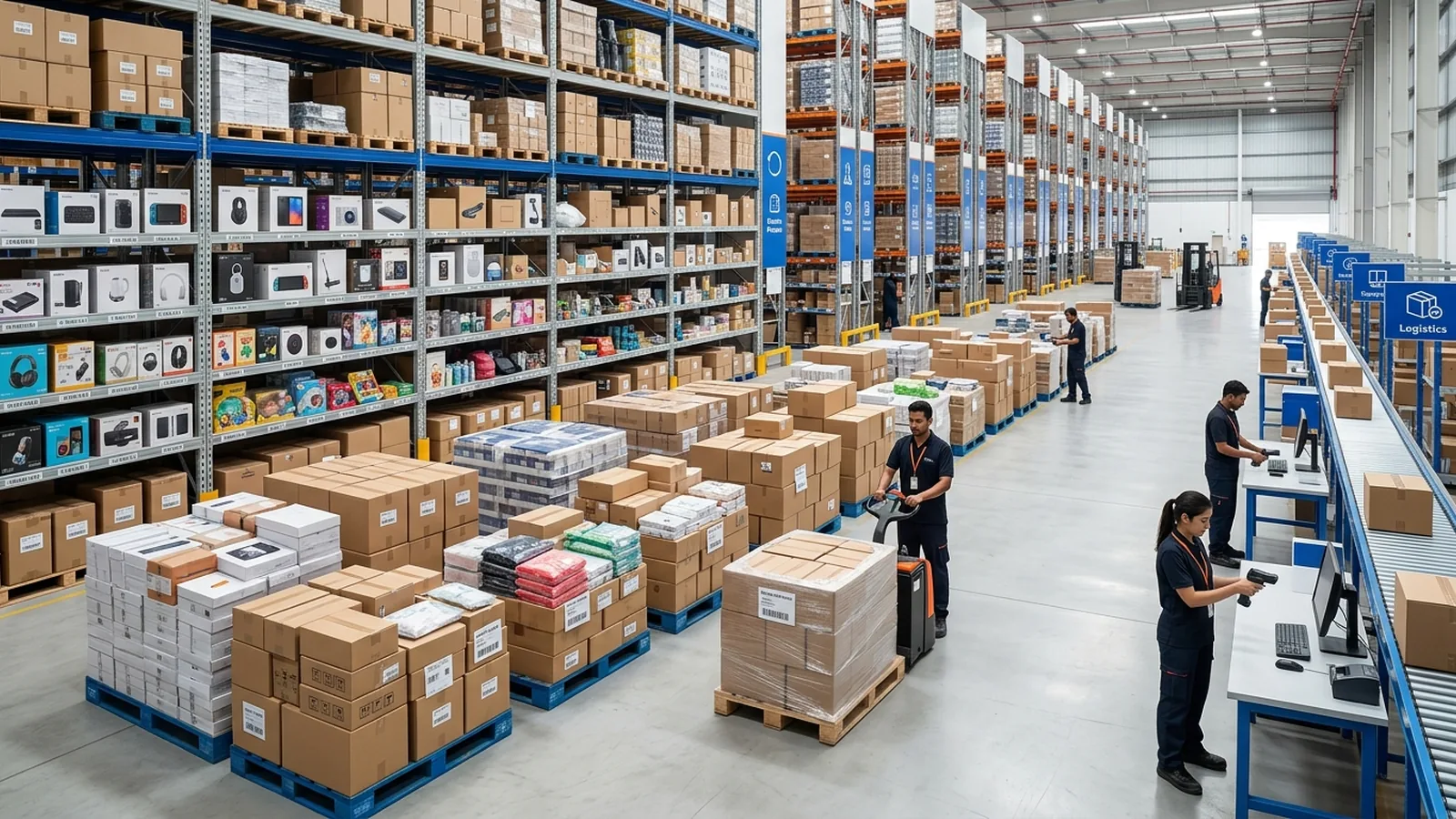
The rapid growth of ecommerce in India has created an unprecedented opportunity in the reverse logistics sector. Every day, thousands of products are returned to Flipkart—India's leading online marketplace—for reasons ranging from customer preference changes to minor defects. This constant flow of return inventory represents a goldmine for savvy retailers, resellers, and small business owners who understand how to source, evaluate, and resell these products profitably.
Flipkart return inventory has emerged as one of the most accessible entry points into the liquidation and wholesale business. Unlike traditional wholesale purchasing that requires significant capital and established supplier relationships, customer returns offer lower entry barriers and attractive profit margins. However, success in this space demands knowledge of sourcing channels, quality assessment techniques, legal requirements, and effective reselling strategies.
This comprehensive guide walks you through everything you need to know about building a profitable business around Flipkart return inventory—from understanding different return categories to implementing quality control processes and maximizing your margins in India's competitive resale market.
Understanding Flipkart Return Inventory
Flipkart return inventory encompasses all products that customers have sent back to the platform after purchase. Understanding why products get returned and how they're categorized is fundamental to making smart purchasing decisions in the liquidation space.
Common Return Reasons
Customer returns happen for various reasons, and each reason typically indicates different product conditions and resale potential:
- Change of Mind: The customer simply decided they don't want the product. These items are often in pristine, unopened condition and command premium resale prices.
- Wrong Product Ordered: Customer ordered the wrong size, color, or variant. Usually in excellent condition with minimal handling.
- Better Price Available: Customer found a better deal elsewhere. Products typically unused and in original packaging.
- Defective or Not Working: Product has functional issues. These require testing, potential repair, and carry higher risk but offer steeper discounts.
- Damaged in Transit: Packaging or product damage during shipping. May be cosmetic only or require refurbishment.
- Does Not Match Description: Product differs from listing. Often in good condition but may have documentation issues.
- Quality Issues: Manufacturing defects or quality below expectations. Requires careful assessment and may need reconditioning.
Product Categories in Return Inventory
Flipkart return inventory spans virtually every product category available on the platform. However, certain categories dominate the return stream and offer the best opportunities for resellers:
Electronics and Accessories: Smartphones, tablets, headphones, chargers, and smart devices represent high-value items with strong resale demand. These items require functional testing but can yield 40-70% profit margins when properly refurbished.
Fashion and Apparel: Clothing, footwear, and accessories have high return rates due to sizing and preference issues. Most fashion returns are in good condition but may lack original tags or packaging.
Home and Kitchen: Small appliances, cookware, and home decor items with relatively lower return rates but steady demand. These products often return due to duplicate gifts or change of mind.
Books and Media: Physical books, DVDs, and music with minimal wear. Lower margins but easy to assess and quick inventory turnover.
Beauty and Personal Care: Unopened cosmetics, grooming products, and wellness items. Pay attention to expiry dates and ensure sealed packaging for resale compliance.
Where to Source Flipkart Return Inventory
Accessing Flipkart return inventory requires understanding the liquidation ecosystem. While Flipkart doesn't directly sell returns to individual buyers, several legitimate channels connect resellers with this inventory.
B2B Liquidation Marketplaces
Specialized B2B platforms like DealsGoKart have emerged as the most transparent and accessible channel for sourcing return inventory. These platforms aggregate liquidation stock from multiple sources, including Flipkart's authorized liquidators, and provide detailed manifests, quality grades, and buyer protections. You can browse wholesale inventory with clear product descriptions and condition grading, making informed purchasing decisions easier than ever.
Key advantages of B2B marketplaces include verified seller credentials, standardized grading systems, negotiable pricing on bulk orders, and sometimes inspection opportunities before purchase. These platforms typically offer both manifest (detailed product lists) and mystery lots (ungraded mixed inventory at deeper discounts).
Authorized Liquidation Partners
Flipkart works with authorized liquidation partners who handle the disposition of return inventory at scale. Building relationships with these partners can provide direct access to larger volumes at competitive prices. However, minimum order quantities are usually higher (₹2-10 lakhs), and these partners prioritize established businesses with proven track records.
Regional Wholesale Markets
Major cities like Delhi, Mumbai, Bangalore, and Kolkata have wholesale markets where liquidation inventory eventually flows. Areas like Nehru Place (Delhi), Lamington Road (Mumbai), and SP Road (Bangalore) host traders dealing in return stock. While prices can be negotiated, quality verification is challenging, and you may encounter mixed-grade inventory without detailed manifests.
Online Auctions and Bidding Platforms
Some liquidators conduct online auctions for return inventory lots. These competitive bidding environments can yield excellent deals but require quick decision-making and sometimes result in overpaying during bidding wars. Set firm budget limits before participating in auctions.
Direct Sourcing Strategies
Experienced resellers sometimes establish direct relationships with Flipkart's logistics and returns processing centers. This approach requires significant networking, volume commitments, and proper business credentials, but can provide the best pricing and first access to premium return lots. You'll need GST registration, established business operations, and adequate working capital to pursue this channel effectively.
Quality Grading and Assessment
Understanding quality grades is crucial for estimating resale value and avoiding unprofitable inventory. The liquidation industry uses standardized grading systems, though terminology may vary slightly between suppliers.
Standard Grading System
| Grade | Condition | Typical Discount | Resale Potential |
|---|---|---|---|
| Grade A | Like new, unopened, complete with all accessories and original packaging | 10-25% below retail | Excellent - Can resell at near-retail prices |
| Grade B | Opened but unused or minimal use, minor cosmetic imperfections, original packaging may be damaged | 30-50% below retail | Very Good - Strong resale with minor refurbishment |
| Grade C | Used with visible wear, functional but may have cosmetic damage, missing accessories possible | 50-70% below retail | Good - Requires refurbishment, lower-tier resale markets |
| Grade D | Significant damage, may not be fully functional, parts/repair inventory | 70-90% below retail | Fair - Parts harvesting or repair specialists only |
Product-Specific Assessment Criteria
Electronics: Test all functions, check for screen damage, verify battery health, ensure no iCloud/FRP locks, confirm all ports work, and test connectivity features. Look for signs of liquid damage and verify serial numbers match.
Apparel and Footwear: Examine for stains, tears, missing buttons, or broken zippers. Check sole wear on shoes, verify size labels match product tags, and smell for odors indicating use. Ensure security tags are removed properly.
Appliances: Plug in and test all functions, listen for unusual noises, check for dents or scratches, verify all attachments are included, and review any warranty implications for opened items.
Books and Media: Check for highlighting, dog-earing, spine damage, missing pages, disc scratches (for media), and water damage. Verify barcodes and ISBN numbers for authenticity.
Documentation Review
Always request and review manifests before purchasing liquidation lots. Quality manifests should include product names and descriptions, original retail prices, quantity counts, condition grades, return reasons, and UPC/EAN codes for verification. Discrepancies between manifest and actual inventory are common in lower-tier channels, so factor in a 10-15% variance when calculating potential returns. When possible, negotiate clauses that allow for significant manifest inaccuracies to be addressed.
Pricing Strategies and Profit Margins
Profitable reselling of Flipkart return inventory hinges on smart acquisition pricing and strategic resale positioning. Understanding the complete cost structure and market dynamics enables sustainable margins.
Acquisition Cost Calculation
Your true acquisition cost extends beyond the invoice price. Calculate total landed cost including purchase price (typically 10-40% of original retail for mixed return lots), transportation and logistics, inspection and testing time/costs, refurbishment and cleaning expenses, storage costs until resale, and platform fees or marketplace commissions. Many new resellers underestimate hidden costs and overestimate margins as a result.
Market-Based Pricing Strategy
Research current market prices across multiple channels before setting your resale prices. Check Flipkart, Amazon, and other online marketplaces for current retail prices, browse OLX, Quikr, and Facebook Marketplace for local secondary market prices, visit offline markets to understand regional pricing dynamics, and factor in your item's condition grade compared to available alternatives.
For Grade A items, price at 65-80% of current online retail. For Grade B items, target 50-65% of retail. Grade C items should be priced at 35-50% of retail, while Grade D salvage items are typically valued at 10-30% of retail or parts value.
Realistic Profit Margin Expectations
Profit margins vary significantly based on product category, condition, sourcing channel, and resale method. Electronics typically yield 30-60% margins with refurbishment, fashion and apparel generate 40-80% margins with lower refurbishment needs, home goods and appliances provide 35-65% margins, while books and media offer 20-40% margins but quick turnover.
Higher-grade inventory offers lower margins but faster turnover and less risk, while lower-grade inventory provides higher potential margins but requires refurbishment skills, longer holding periods, and carries greater risk of unsellable inventory. Most successful resellers maintain a portfolio mix targeting an overall 45-60% average margin across their inventory.
Volume Pricing Considerations
Bulk purchases unlock better per-unit pricing but increase capital requirements and holding risk. Small test lots (₹25,000-50,000) help you understand product mix and condition accuracy before committing to larger orders. As you establish supplier relationships and demonstrate consistent purchasing, negotiate volume discounts, better payment terms, or first access to premium lots. You can explore various liquidation lots to find the right volume for your business stage.
Legal and Documentation Requirements
Operating a legitimate reselling business with proper documentation protects you legally and enables business growth. Understanding compliance requirements is non-negotiable for serious resellers.
Business Registration and GST
While small-scale resellers sometimes operate informally, GST registration is highly recommended for anyone purchasing bulk liquidation inventory. Benefits include legal business recognition, ability to claim input tax credits, access to better pricing from suppliers who prefer GST-registered buyers, and credibility when scaling to larger volumes or opening online seller accounts.
Register as a sole proprietorship (easiest for individuals), partnership firm (if operating with partners), or private limited company (for significant scale and investment). Most resellers start with sole proprietorship GST registration, which costs around ₹2,000-5,000 through a CA and takes 7-10 days.
Essential Documentation for Purchases
Always obtain proper documentation when purchasing return inventory. Required documents include a GST invoice from the seller, detailed manifest or packing list, payment receipts and transaction records, and transport/delivery documentation. These documents prove legitimate acquisition, enable tax compliance, support warranty claims if applicable, and provide protection against accusations of handling stolen goods.
Resale Compliance
When reselling, especially online, understand platform-specific requirements. Most platforms require business/GST registration for regular selling, proper product descriptions and condition disclosures, adherence to category-specific regulations (electronics certifications, cosmetics safety, etc.), and handling of customer returns according to consumer protection laws.
For electronics, be aware that certain items require BIS certification for legal sale in India. Technically, previously retail-sold certified items retain their certification, but this can be a gray area. Focus on post-retail channels (local sales, B2B distribution) if certification documentation is unclear.
Consumer Protection Considerations
Even when selling return inventory, you have obligations under the Consumer Protection Act. Clearly disclose that items are customer returns or refurbished, provide accurate condition descriptions, offer reasonable return windows for online sales, and maintain records of customer transactions. Transparency builds reputation and prevents legal issues.
Pre-Purchase Inspection Checklist
Whenever possible, inspect inventory before purchase or within any allowed inspection window. A systematic checklist prevents costly mistakes and builds valuation expertise.
Physical Inspection Process
Arrive prepared with basic tools: smartphone with testing apps, measuring tape, flashlight for detailed inspection, multi-tool or screwdriver set, cleaning supplies for quick assessment, and notepad or tablet for documentation. Request to open a representative sample (10-20% of lot) if purchasing larger quantities.
Category-Specific Checkpoints
Electronics Checklist:
- Power on and verify all basic functions operate
- Check screen for dead pixels, cracks, or discoloration
- Test all ports (charging, audio, USB, etc.)
- Verify wireless connectivity (WiFi, Bluetooth, cellular if applicable)
- Check battery health and charging functionality
- Inspect for signs of liquid damage (corrosion, water indicators)
- Confirm no activation locks (iCloud, FRP/Google lock)
- Verify serial numbers and IMEI numbers are valid (not blacklisted)
- Assess cosmetic condition of body, screen, and camera lenses
- Confirm all included accessories match the manifest
Fashion Checklist:
- Examine for stains, tears, holes, or permanent damage
- Check all closures (zippers, buttons, snaps, Velcro)
- Verify size tags match product description
- Smell for smoke, perfume, or musty odors
- Check for alterations or repairs
- Inspect shoe soles for excessive wear
- Verify authenticity indicators for branded items
- Ensure care labels are intact and legible
Appliances Checklist:
- Plug in and run through complete operation cycle
- Listen for unusual noises indicating mechanical issues
- Check for leaks (water-based appliances)
- Inspect power cords for damage or fraying
- Verify all attachments and accessories are present
- Check for dents, scratches, or structural damage
- Review any digital displays or control panels
- Test safety features (automatic shutoff, etc.)
Red Flags to Avoid
Walk away or negotiate steep discounts if you encounter sellers refusing any inspection or sampling, manifests with vague descriptions or missing key details, significantly higher Grade D/salvage items than advertised, signs of water damage across multiple items suggesting flood inventory, counterfeit or grey-market products mixed in, or incomplete or tampered serial numbers on electronics. Trust your instincts—if a deal seems too good to be true or the seller seems evasive, it's better to pass on that opportunity.
Effective Reselling Strategies
Acquiring inventory is only half the equation. Strategic reselling maximizes your returns and builds sustainable business momentum.
Multi-Channel Distribution Approach
Successful resellers rarely rely on a single sales channel. Diversification improves turnover rates and reduces platform dependency. Consider online marketplaces like OLX, Quikr, and Facebook Marketplace for local sales with no listing fees, ecommerce platforms like Amazon, Flipkart (ironically), and Snapdeal for wider reach and credibility, and your own website or social media pages for building brand equity and customer relationships.
Offline channels remain powerful, especially for bulk volume: retail partnerships where you supply smaller retailers, weekly haats and flea markets for direct consumer sales, and wholesale distribution to rural or tier-2/3 market retailers. Many resellers use a tiered approach—premium Grade A items go to online marketplaces for maximum price, Grade B items sell through own channels or local markets, and bulk Grade C items move through wholesale networks for quick turnover.
Product Photography and Listing Optimization
Quality presentation dramatically impacts sale speed and price. Invest time in taking clear, well-lit photos from multiple angles, capturing any damage or wear honestly, using plain backgrounds that highlight the product, and including size references or scale items where helpful. Write detailed, honest descriptions that specify the exact condition, disclose any defects or missing items, include original retail price for value reference, use relevant keywords for search optimization, and clearly state your return/exchange policy.
Pricing Psychology
Strategic pricing accelerates sales. Use psychological pricing (₹999 instead of ₹1,000), create urgency with limited-time offers or countdown timers, bundle complementary items to increase average transaction value, offer tiered pricing for bulk purchases to appeal to both consumers and small retailers, and start slightly higher than your bottom line to allow negotiation room (expected in Indian markets).
Refurbishment for Value Addition
Basic refurbishment can substantially increase resale value and margins. Simple improvements include professional cleaning and sanitization, replacing minor parts (phone screens, laptop batteries, missing cables), repackaging in generic but presentable boxes, creating simple certification or testing documentation, and minor cosmetic repairs (polishing, scratch removal, sticker removal).
Develop relationships with local repair technicians for electronics refurbishment beyond your skill level. The cost of professional screen replacement or battery replacement is often justified by the 50-100% increase in resale value for functional, good-looking products.
Building Customer Relationships
Repeat customers and referrals drive profitable long-term businesses. Provide excellent customer service with honest descriptions, respond quickly to inquiries, and handle issues professionally. Consider offering slight discounts to repeat buyers, collecting customer contacts (with permission) for new inventory updates, and requesting reviews and testimonials for credibility building. In the liquidation resale business, reputation differentiates you from countless competitors and enables premium pricing.
Inventory Management
Efficient inventory management prevents capital from getting tied up in slow-moving stock. Track what sells quickly versus slowly, implement a 90-day rule where items that don't sell get marked down progressively, use inventory management software (even simple spreadsheets) to track costs and margins, and regularly assess which product categories deliver best returns on your specific channels. Don't be emotionally attached to inventory—if something isn't selling, discount it and reinvest that capital in better-performing items.
For business growth opportunities and to learn more about effective procurement strategies, explore resources on B2B procurement that can help optimize your sourcing process.
Scaling Your Operations
Once you've mastered the basics with smaller lots, scaling requires systematic approaches. Increase purchase volumes gradually while maintaining quality standards, hire part-time help for inspection, cleaning, and listing tasks, rent dedicated storage space when home storage becomes constraining, develop specialist expertise in 1-2 high-margin categories rather than remaining generalist, and establish credit relationships with suppliers for better cash flow management.
Consider registering on verified B2B platforms where you can both source inventory and potentially sell bulk wholesale lots to other resellers. Creating accounts on platforms where you can shop wholesale products or explore catalog offerings provides access to diverse inventory sources and potential buyer networks as you scale.
Risk Management
Liquidation inventory carries inherent risks. Mitigate them by never investing money you can't afford to lose, especially initially; starting with smaller test lots before committing large capital; maintaining adequate working capital (don't tie up 100% of funds in inventory); diversifying across product categories to spread risk; and keeping detailed records of all purchases, sales, and expenses for financial clarity.
Insurance for stored inventory becomes worthwhile once you're holding significant value. Basic commercial policies covering fire, theft, and damage typically cost ₹10,000-30,000 annually for ₹5-10 lakhs of coverage.
The Flipkart return inventory business represents one of the most accessible entry points into profitable wholesale and liquidation trading in India. With ecommerce continuing its rapid growth and return rates remaining steady at 10-30% depending on category, the supply of return inventory shows no signs of diminishing. For entrepreneurs willing to learn the nuances of quality assessment, develop refurbishment skills, and implement smart reselling strategies, this business model offers genuine income potential with relatively modest startup capital.
Success requires moving beyond opportunistic deal-hunting toward systematic business operations. This means developing reliable sourcing relationships, implementing quality control processes, understanding your numbers, and building distribution channels that match your inventory profile. The resellers who treat this as a legitimate business—with proper documentation, customer service standards, and continuous learning—are the ones building sustainable operations that generate consistent monthly profits.
Whether you're a retailer looking to diversify inventory sources, an aspiring entrepreneur seeking low-barrier business entry, or an established wholesaler exploring new product channels, Flipkart return inventory deserves serious consideration. Start small, learn the market dynamics in your region, develop your assessment expertise, and scale systematically. The opportunity is real, accessible, and growing—but like any business, rewards those who approach it with professionalism, diligence, and strategic thinking.
Ready to start your journey in the liquidation and returns business? DealsGoKart connects verified buyers with quality return inventory, surplus stock, and wholesale liquidation lots across India. Our platform provides transparent grading, detailed manifests, and secure transactions that take the guesswork out of sourcing. Whether you're making your first purchase or scaling existing operations, explore our extensive catalog of return inventory and wholesale opportunities. Contact our team today to learn more about accessing profitable Flipkart return inventory and other liquidation opportunities, or discover how DealsGoKart is revolutionizing B2B liquidation in India. Your next profitable inventory lot is just a click away.
Frequently asked questions
Yes, purchasing Flipkart return inventory through authorized B2B liquidation channels is completely legal in India. Ensure you source from verified platforms or authorized liquidators who provide proper invoices and documentation. Always verify the seller's credentials and obtain GST-compliant invoices for your purchases.
Ready to source smarter?
Ready to build a profitable business with customer returns? Explore verified liquidation inventory on DealsGoKart today and connect with trusted suppliers across India.